Guiderà insegnanti e studenti attraverso un percorso di insegnamento/apprendimento multidisciplinare per scoprire le basi della tecnologia laser.
Creato dai Partner UNIPA
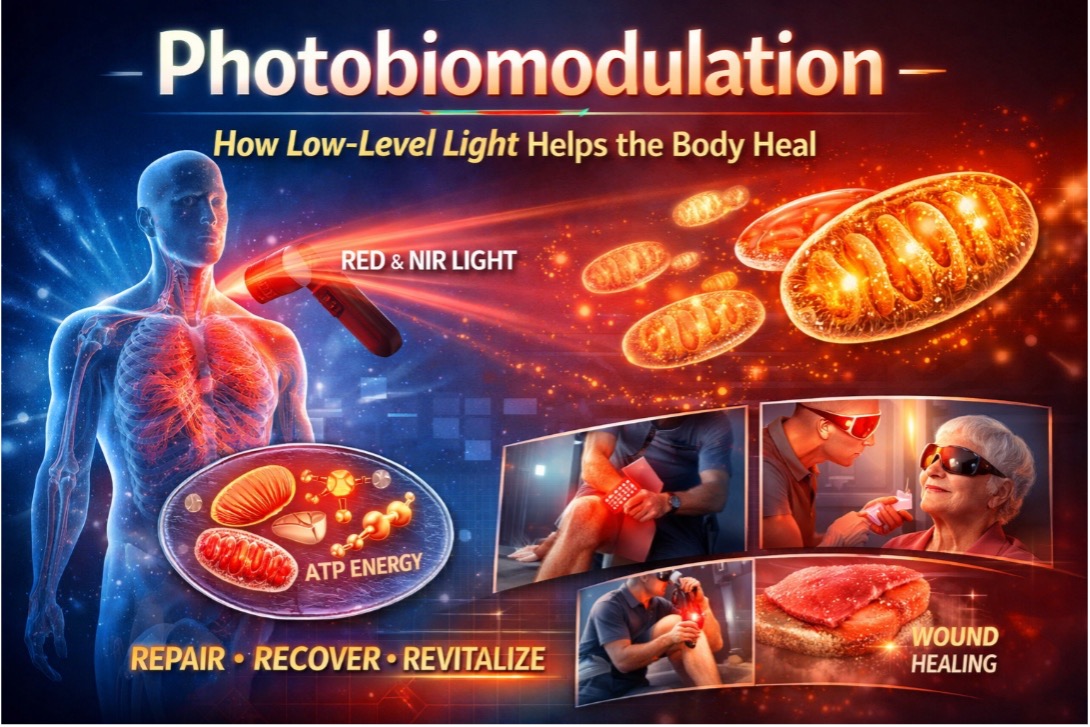
Per trarre pieno beneficio da questa unità di apprendimento sulla Fotobiomodulazione (PBM), gli studenti dovrebbero avere una conoscenza di base della biologia umana, inclusi cellule, mitocondri e metabolismo energetico. La familiarità con le proprietà della luce, come lunghezza d’onda e intensità, aiuterà a comprendere come la luce rossa e quella vicino all’infrarosso (NIR) interagiscono con i tessuti. Gli studenti dovrebbero inoltre essere a proprio agio con gli ambienti di apprendimento digitali e l’uso di strumenti interattivi, poiché l’unità include simulazioni in Realtà Aumentata (AR), quiz ed esercizi pratici. Si incoraggiano il pensiero critico e la curiosità per analizzare le osservazioni e riflettere sulle applicazioni reali della PBM in ambito sanitario, sportivo e nella vita quotidiana. Non è richiesta alcuna esperienza precedente con la fototerapia, ma un interesse nell’esplorare come la luce a bassa intensità possa stimolare i processi cellulari e supportare la guarigione dei tessuti arricchirà l’esperienza di apprendimento.
Creato dai Partner UNIPA
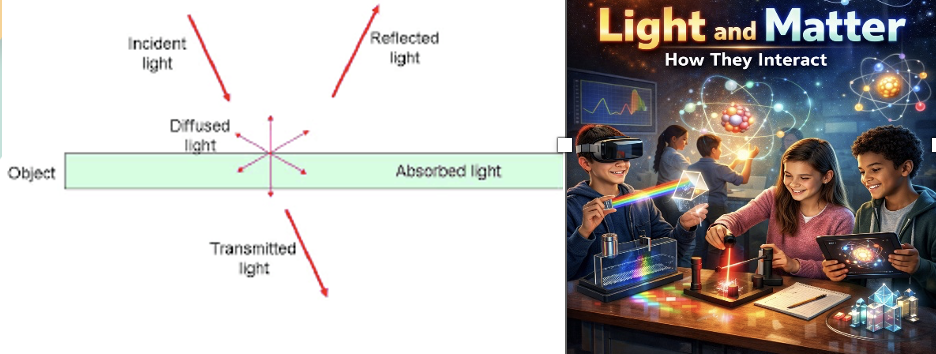
Questa unità di apprendimento esplora come la luce interagisce con la materia attraverso riflessione, rifrazione, assorbimento ed emissione. Gli studenti si impegnano in osservazioni, esperimenti pratici e simulazioni in realtà aumentata per sviluppare comprensione concettuale, capacità analitiche e collaborazione. L’unità stimola la curiosità, il pensiero critico e connessioni con il mondo reale tra i concetti di fisica e i fenomeni della vita quotidiana.
Creato da UNIPA Partners
Questa unità interdisciplinare introduce gli studenti ai principi fondamentali della luce e dei laser ed esplora come queste tecnologie vengano utilizzate nella medicina moderna per diagnosticare le malattie. Il percorso di apprendimento mette in evidenza come le interazioni tra laser e tessuti siano applicate in tecniche come l’OCT, l’imaging a fluorescenza e la scansione non invasiva. Strumenti di Realtà Aumentata (AR) vengono utilizzati per simulare fenomeni ottici, permettendo agli studenti di visualizzare il comportamento della luce laser all’interno dei sistemi biologici e di esplorare in modo pratico concetti diagnostici che normalmente sono invisibili all’occhio umano.
Creato da KIT Partners
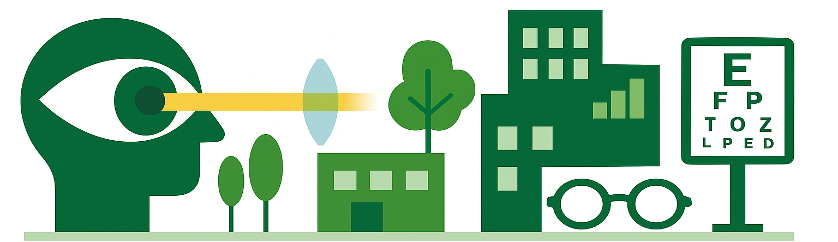
L'unità guida studenti e insegnanti attraverso un percorso interdisciplinare che integra fisica, chimica e tecnologia per comprendere come l'energia solare venga catturata e convertita in energia elettrica tramite celle fotovoltaiche. Gli studenti esploreranno il viaggio dei fotoni dalla luce solare fino alla generazione di corrente elettrica, analizzando la struttura a strati delle celle solari (giunzione P-N, semiconduttori), l'effetto fotovoltaico e i meccanismi di flusso degli elettroni. L'uso di strumenti digitali e di realtà aumentata è pensato per rendere visibili processi altrimenti invisibili (assorbimento dei fotoni, generazione di coppie elettrone-lacuna, campo elettrico nella giunzione, flusso di corrente), collegando in modo chiaro e progressivo i principi fisici alle applicazioni tecnologiche per la generazione sostenibile di energia.
Creato dai Partner UNIPA
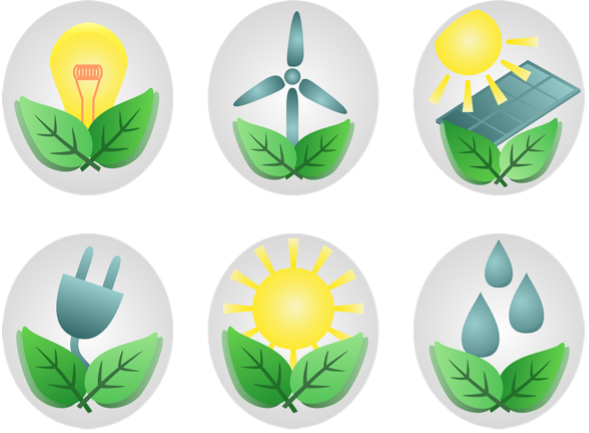
Questa unità introduce studenti e insegnanti alla tecnologia solare bio-ispirata, sottolineando come le piante catturino efficacemente l’energia solare attraverso la fotosintesi e come gli scienziati replichino questi meccanismi per soluzioni energetiche sostenibili. Utilizzando strumenti di Realtà Aumentata (AR), gli studenti visualizzeranno il processo di fotosintesi, esploreranno le celle solari bioibride e sperimenteranno con progetti di pannelli solari ispirati alla natura. L’unità promuove l’apprendimento multidisciplinare integrando concetti di biologia, fisica, chimica e ingegneria con esperimenti digitali pratici.
Creato da KIT Partners
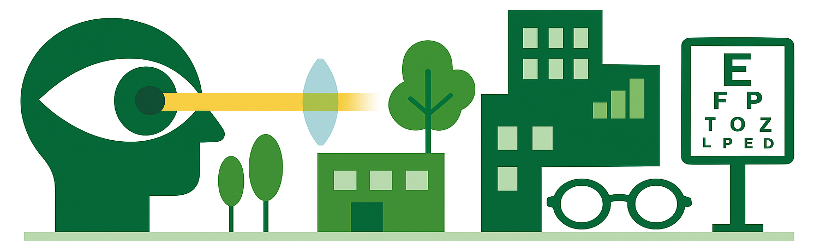
L'unità guida studenti e insegnanti attraverso un percorso multidisciplinare che integra biologia e fisica per comprendere come la luce riflessa dagli oggetti venga messa a fuoco sulla retina, trasdotta dai fotorecettori (coni e bastoncelli) in segnali elettrici e trasmessa lungo il nervo ottico alle aree corticali responsabili della visione.
L'uso di strumenti digitali e di realtà aumentata è pensato per rendere visibili processi altrimenti invisibili (attivazione dei fotopigmenti, instradamento dei segnali neurali), collegando in modo chiaro e progressivo le strutture anatomiche con i principi fisici.
Creato dai Partner UNIPA
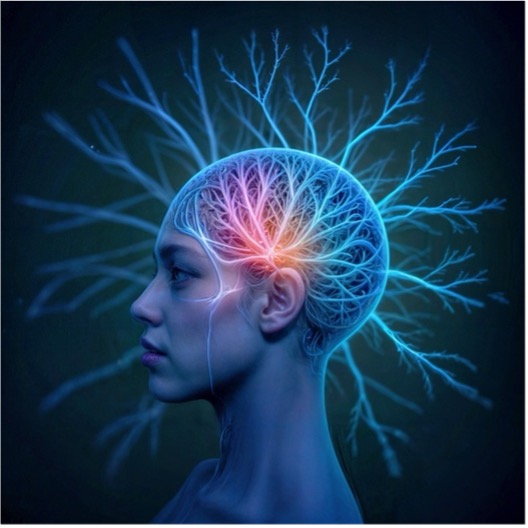
Questa unità guiderà insegnanti e studenti su come la luce influisce sul cervello e su come i neuroni rispondono agli stimoli esterni come la luce. Gli strumenti di realtà aumentata miglioreranno la visualizzazione, permettendo agli studenti di interagire con modelli 3D di neuroni e strutture cerebrali. Gli studenti esploreranno applicazioni reali come i ritmi circadiani, l’optogenetica e la fototerapia.
Creato da KIT Partners