Learning materials
Schema della sezione
-
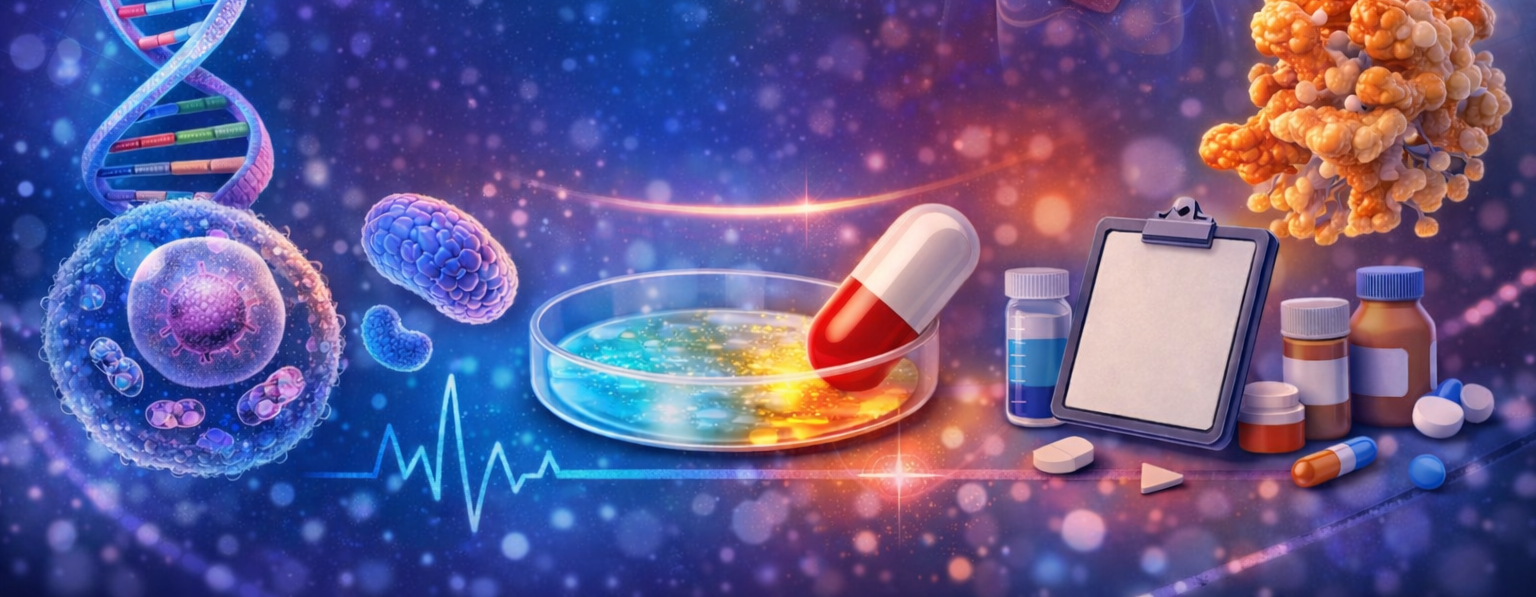
Source: AI generated image
-
In this section, students build foundational knowledge about genetic diseases, their causes, and the challenges involved in diagnosing and treating them. This section introduces essential concepts from genetics, molecular biology, and biotechnology, preparing learners for later activities such as AR visualization, modeling, and ethical discussions about emerging medical solutions.
-
In the Execute phase, students move from understanding genetic diseases to actively exploring how nature itself inspires solutions to genetic challenges. Living organisms have evolved powerful mechanisms to protect, repair, and regulate their genetic information. By studying these natural processes, students can better understand how modern biotechnology and medicine attempt to mimic, enhance, or adapt them to treat genetic diseases.
-
Genetic diseases involve complex and invisible biological processes that occur at the molecular and cellular level. Concepts such as DNA mutations, protein misfolding, gene regulation, and gene editing are difficult for students to fully understand using traditional textbooks or static images alone. Augmented Reality (AR) significantly enhances the learning process by transforming these abstract processes into interactive, visual, and experiential learning experiences.