(7) Modelling the impact of GMOs
Bölüm anahatları
-
-
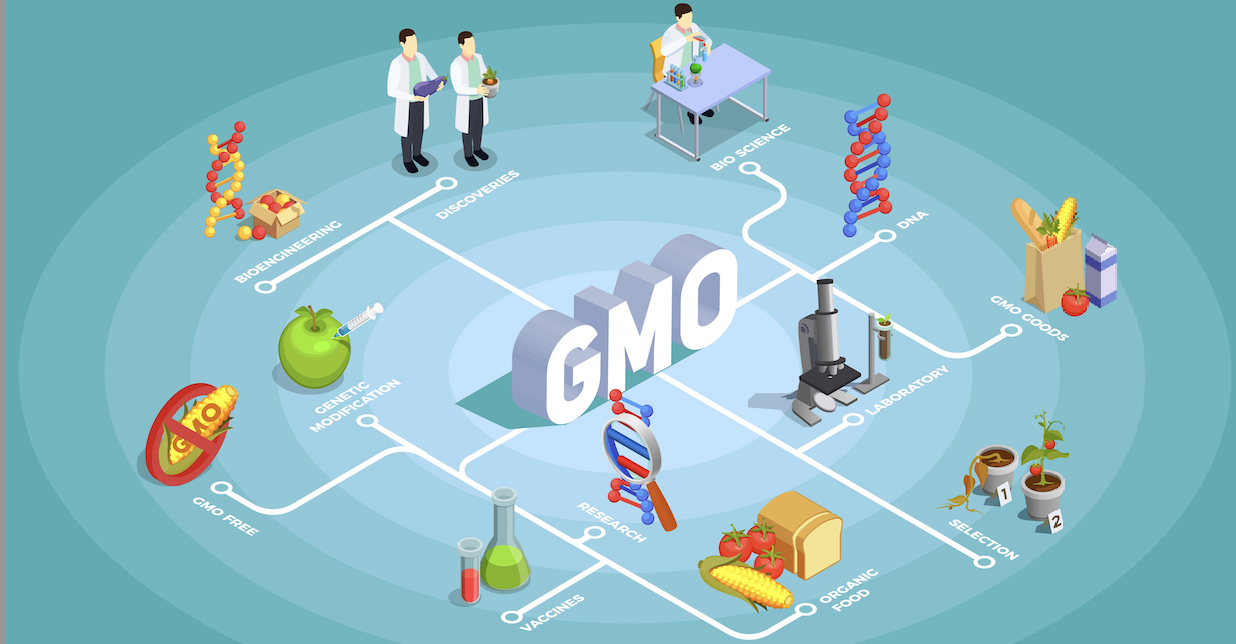
In this section, students develop a foundational understanding of genetically modified organisms (GMOs), how they are created, and why their impact can be complex. The Explore phase introduces key biological and biotechnological concepts needed to understand genetic modification before engaging in modelling, AR-based analysis, and creative activities later in the unit.
-
In the Execute phase, students apply their understanding of genetically modified organisms by exploring how natural biological processes inspire practical solutions for real-world challenges. Genetic modification itself is based on observing and using mechanisms that already exist in nature, such as gene expression, adaptation, and inheritance. In this phase, learners examine how these natural abilities are used in biotechnology to design organisms with specific traits and how such designs may influence ecosystems and human environments.
-
In the Enhance phase, Augmented Reality (AR) is used to deepen students’ understanding of genetically modified organisms by transforming abstract and complex processes into interactive learning experiences. GMO-related changes often occur at the genetic level and influence systems over time, making them difficult to grasp through traditional teaching methods alone. AR provides a powerful way to visualise these processes and explore their broader implications.