Introduction
In the 21st century, global population growth has drastically increased pressure on natural resources like water and soil. Industrial agriculture and aquaculture have contributed significantly to water pollution, releasing high amounts of nitrogen, phosphorus, and chemical fertilizers into aquatic ecosystems. As a result, freshwater resources are under threat, biodiversity is declining, and environmental balance is at risk.
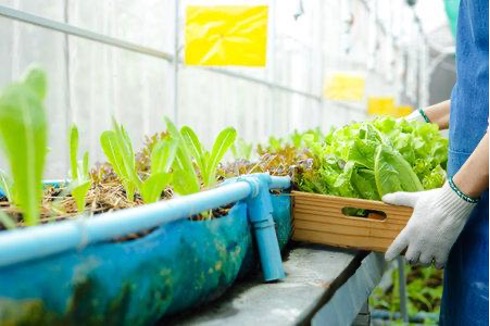
To tackle these challenges, international organizations and researchers are increasingly turning to Nature-Based Solutions (NBS): sustainable practices inspired by natural processes that improve environmental quality while reducing human impact. One of the most promising among these is aquaponics, an integrated system that combines aquaculture (fish farming) with hydroponics (soilless plant cultivation). In aquaponics, nutrient-rich water from fish tanks is recycled through plant beds where it gets naturally filtered.
This learning unit introduces students aged 15–18 to the scientific, technical, and ecological principles behind aquaponics. Through experimental setups, augmented reality (AR), and design-based learning, students explore how biology and engineering can intersect to develop sustainable water reuse systems and inspire eco-friendly architectural solutions.