1. Explore
Missense Mutations
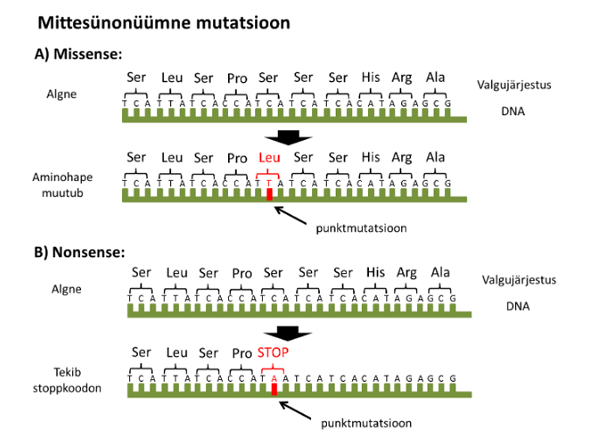
Figure 2. Missense and nonsense mutations in a protein-coding gene
In a missense mutation, one amino acid in a protein is replaced by another different amino acid. This change can affect the protein’s shape and function and may prevent it from working correctly. Many genetic diseases are caused by missense mutations because even a small change in protein structure can have serious effects (Alberts et al., 2015).
A well-known example of a missense mutation is sickle cell anemia. This disease is caused by a point mutation in the β-globin gene. In this mutation, the second base in one codon changes from adenine (A) to thymine (T). As a result, the amino acid glutamic acid is replaced by valine in the hemoglobin protein (Griffiths et al., 2019).
This small change has a large impact. The altered hemoglobin molecules stick together, causing red blood cells to become crescent-shaped instead of round. These abnormal cells cannot carry oxygen efficiently and break down more quickly than normal red blood cells. This leads to symptoms such as pain, fatigue, and increased risk of infections (Strachan & Read, 2018).