Section 1: Explore
Climate change and the threat of species extinction
Over the last century, global average temperatures have increased by about 1°C due to human activities such as burning fossil fuels, deforestation, and industrial development. This warming has caused serious environmental changes, including more frequent heatwaves, droughts, floods, hurricanes, and rising sea levels. These changes strongly affect natural ecosystems and the species that depend on them (IUCN, 2021).
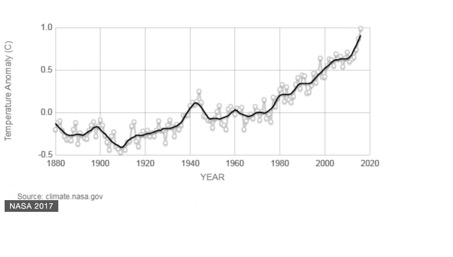
Human-induced climate change is already having a direct impact on many plant and animal species. Because environmental conditions are changing very fast, many species do not have enough time to adapt. According to the IUCN Red List of Threatened Species, more than 10,000 species are currently affected by climate change, which increases their risk of extinction (IUCN, 2021).
One well-known example is the Bramble Cay melomys (Melomys rubicola), which became the first mammal officially declared extinct due to climate change. Rising sea levels destroyed its island habitat near the Great Barrier Reef.
Introductory video for students (WWF – Climate change and wildlife):
https://www.youtube.com/watch?v=ztWHqUFJRTs
Coral reefs are another ecosystem under serious threat. Rising ocean temperatures and ocean acidification cause coral bleaching, diseases, and large-scale die-offs. Coral reefs are among the most biodiverse ecosystems on Earth, and their loss affects millions of marine species. Scientists warn that keeping global warming below 2°C, as stated in the Paris Agreement, is essential for coral reef survival (WWF, 2023).
👉 AR/3D visualisation for learners:
https://artsandculture.google.com/asset/stunning-wilson-reef-great-barrier-reef-christophe-bailhache/hQEF7U6ddbajXw (Google Arts & Culture – Coral reefs)
Climate change also changes species behaviour and biology.
For example:
- Chinook salmon have shifted their migration routes northwards.
- North American tree swallows now start breeding earlier in the year. These examples show that climate change can affect animals in many ways: behaviour, reproduction, and even genetics.
- Green sea turtles are affected by higher nest temperatures, leading to extreme female-biased sex ratios (up to 99% female hatchlings in some areas).
- In southern Europe, climate-driven habitat changes have caused hybridisation between species such as the common toad and green toad.
These examples show that climate change affects species at ecological, behavioural, physiological, and genetic levels.