1: Explore
| Site: | Bios4You |
| Kurs: | (37) Ecosystem at risk: climate change impact |
| Kitap: | 1: Explore |
| Tarafından basılmıştır: | Επισκέπτης (Guest user) |
| Tarih: | Salı, 25 Ağustos 2026, 6:42 AM |
Climate change trajectories and tipping points
Climate change affects ecosystems by altering key physical and biological processes that regulate energy flow, carbon cycling, and species interactions. Scientific evidence shows that rising global temperatures and increasing concentrations of atmospheric carbon dioxide influence both terrestrial and marine ecosystems, often reducing their stability and resilience (Hoegh-Guldberg et al., 2018; National Academy of Sciences, 2019).
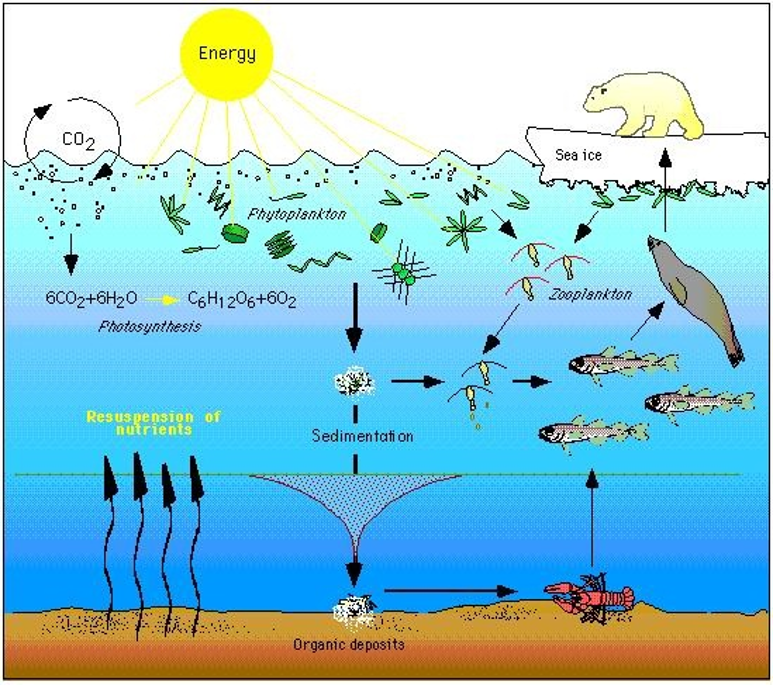
Figure 1. Energy flow and carbon cycling in a marine ecosystem.
As illustrated in Figure 1, solar energy drives photosynthesis in phytoplankton, which form the foundation of marine food webs. Through photosynthesis, phytoplankton absorb carbon dioxide from the atmosphere and convert it into organic matter, supporting higher trophic levels and contributing to climate regulation. Carbon and nutrients move through the ecosystem via trophic interactions, sedimentation, and nutrient recycling. Climate change can disrupt these processes by increasing water temperatures, altering ocean circulation, and reducing nutrient availability (Bardgett & Caruso, 2020).
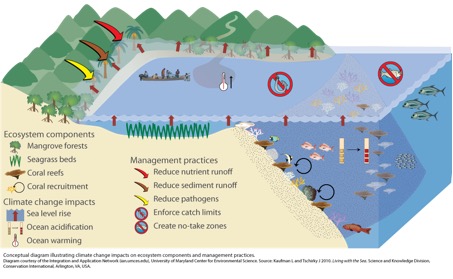
Figure 2: Ecosystem tipping points and abrupt change.
Figure 2 highlights trophic interactions within ecosystems and illustrates how climate-related stressors increase ecosystem vulnerability. Rising temperatures, ocean acidification, and habitat changes affect primary producers first, but the impacts spread through food webs via cascading effects. When phytoplankton productivity declines, zooplankton, fish, and top predators may also decline. These interconnected responses demonstrate that ecosystems do not respond to climate change in isolation, but as complex systems with strong internal dependencies (Bennett et al., 2016).
The broader consequences of these changes are illustrated in Figure 3, which presents a climate cascade in catchment systems. This figure shows how climate drivers such as temperature increase and altered precipitation affect multiple ecosystem components simultaneously. Changes in rainfall and temperature influence soil moisture, water flow, salinity, vegetation, and species movement across terrestrial, freshwater, and coastal ecosystems. These linked processes can lead to unexpected outcomes, such as increased flooding, habitat loss, and reduced water quality (Turner et al., 2020).
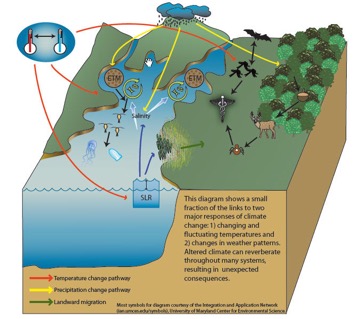
Figure 3. Climate cascade in catchment systems.
Together, Figures 1–3 demonstrate how climate change impacts move from physical drivers (temperature and precipitation) to biological responses (changes in productivity, species interactions, and migration). These cascading effects increase the risk of ecosystem tipping points, where gradual environmental change leads to rapid and potentially irreversible ecosystem shifts (Lenton et al., 2019).
In addition to climate change, ecosystems are affected by other human pressures, including pollution, land-use change, and overexploitation of natural resources. The interaction of these stressors further reduces ecosystem resilience and makes recovery more difficult (Harrison, 2020).
Understanding these interconnected processes is essential for developing effective mitigation and adaptation strategies. Scientific research highlights the importance of nature-based solutions, ecosystem restoration, and adaptive management to strengthen resilience and reduce climate-related risks across ecosystems (Nicholls et al., 2018; Molotoks et al., 2020).
Questions
- How does climate change affect energy flow and carbon cycling in ecosystems, according to the text?
- Why do cascading effects increase the risk of ecosystem tipping points?
Climate Change Threats and Challenges to Ecosystems
Climate change poses a wide range of threats to ecosystems across the globe. Rising temperatures, altered precipitation patterns, and the increasing frequency of extreme weather events are among the most visible impacts of climate change. These environmental changes affect ecosystems differently, depending on their location and structure (National Academy of Sciences, 2019).
Terrestrial ecosystems are experiencing shifts in growing seasons, changes in species distribution, and increasing biodiversity loss. Many plant and animal species are forced to migrate to new areas or adapt to changing conditions, while others face population decline or extinction. Freshwater ecosystems, such as rivers and lakes, are also highly vulnerable. Higher water temperatures, changes in precipitation, and pollution affect water quality and flow regimes, placing stress on aquatic organisms. Marine ecosystems face additional pressures, including ocean warming, ocean acidification, and coral bleaching, which threaten biodiversity and ecosystem services (National Academy of Sciences, 2019).
Ecosystem responses to climate change are complex due to strong interdependencies among species. When one trophic level is affected, the impacts can spread through the food web, creating cascading effects. Research shows that climate change often interacts with other human pressures, such as habitat destruction, pollution, and overexploitation, which further intensify ecosystem degradation (Bennett et al., 2016).
In addition, ecosystems may reach critical thresholds or tipping points, where gradual environmental change leads to sudden and potentially irreversible shifts in ecosystem structure and functioning (Lenton et al., 2019). These risks highlight the urgent need for both climate change mitigation and adaptation strategies. Without significant reductions in greenhouse gas emissions, ecosystems and the services they provide to human societies are at risk of profound and long-term disruption.
Questions
- What are the main climate change threats faced by terrestrial, freshwater, and marine ecosystems?
- Why do interactions between climate change and other human pressures intensify ecosystem degradation?
Opportunities for Ecosystem Resilience
Despite these challenges, scientific research identifies pathways to strengthen ecosystem resilience, defined as the ability of ecosystems to resist, adapt to, and recover from environmental change. One important approach is the use of nature-based solutions (NbS), which combine ecosystem protection, restoration, and sustainable management with climate mitigation efforts (Nicholls et al., 2018).
Examples of nature-based solutions include the restoration of wetlands, which enhances carbon sequestration and reduces flood risk, and reforestation projects, which absorb carbon dioxide while providing habitats and migration corridors for wildlife. These approaches offer multiple benefits for both ecosystems and human communities.
Adaptive management strategies are also essential for addressing the dynamic nature of climate change impacts. Such strategies involve continuous monitoring of ecosystems and adjusting conservation practices based on observed changes and scientific evidence (Turner et al., 2020). Engaging local communities and stakeholders further strengthens resilience by combining scientific knowledge with local experience and traditional ecological understanding.
International cooperation plays an important role in ecosystem protection by supporting the exchange of best practices, knowledge, and financial resources for large-scale restoration projects (Molotoks et al., 2020). In addition, education and awareness initiatives are crucial for promoting sustainable behaviour. By improving understanding of the links between human activities and ecosystems, societies can be encouraged to adopt more sustainable practices.
Questions
- What are nature-based solutions, and how do they help strengthen ecosystem resilience?
- Why are adaptive management and community involvement important in responding to climate change?
Conclusion
This learning unit highlights the importance of understanding how climate change affects ecosystems through interconnected physical and biological processes. Scientific evidence shows that climate-related threats, combined with other human pressures, increase the risk of ecosystem degradation and irreversible change. At the same time, research demonstrates that effective mitigation, adaptation, and nature-based solutions can enhance ecosystem resilience and reduce long-term risks (Harrison, 2020).
Addressing the challenges posed by climate change requires coordinated action across scientific disciplines, policy sectors, and societies. Policymakers, scientists, educators, and the public must work together to develop and implement strategies that both reduce climate impacts and protect ecosystem functioning. Through informed decision-making and collective action, it is possible to safeguard ecosystems and the essential services they provide for future generations.