Section 1: Explore
| Site: | Bios4You |
| Kurs: | (38) Climate Change and the Threat of Species Extinction |
| Kitap: | Section 1: Explore |
| Tarafından basılmıştır: | Svečio paskyra |
| Tarih: | Salı, 25 Ağustos 2026, 5:56 AM |
Climate change and the threat of species extinction
Over the last century, global average temperatures have increased by about 1°C due to human activities such as burning fossil fuels, deforestation, and industrial development. This warming has caused serious environmental changes, including more frequent heatwaves, droughts, floods, hurricanes, and rising sea levels. These changes strongly affect natural ecosystems and the species that depend on them (IUCN, 2021).
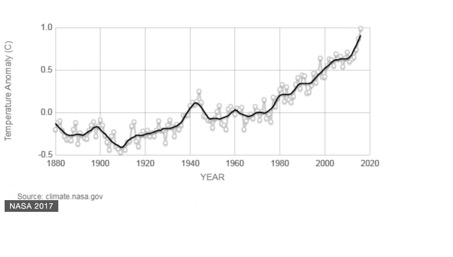
Human-induced climate change is already having a direct impact on many plant and animal species. Because environmental conditions are changing very fast, many species do not have enough time to adapt. According to the IUCN Red List of Threatened Species, more than 10,000 species are currently affected by climate change, which increases their risk of extinction (IUCN, 2021).
One well-known example is the Bramble Cay melomys (Melomys rubicola), which became the first mammal officially declared extinct due to climate change. Rising sea levels destroyed its island habitat near the Great Barrier Reef.
Introductory video for students (WWF – Climate change and wildlife):
https://www.youtube.com/watch?v=ztWHqUFJRTs
Coral reefs are another ecosystem under serious threat. Rising ocean temperatures and ocean acidification cause coral bleaching, diseases, and large-scale die-offs. Coral reefs are among the most biodiverse ecosystems on Earth, and their loss affects millions of marine species. Scientists warn that keeping global warming below 2°C, as stated in the Paris Agreement, is essential for coral reef survival (WWF, 2023).
👉 AR/3D visualisation for learners:
https://artsandculture.google.com/asset/stunning-wilson-reef-great-barrier-reef-christophe-bailhache/hQEF7U6ddbajXw (Google Arts & Culture – Coral reefs)
Climate change also changes species behaviour and biology.
For example:
- Chinook salmon have shifted their migration routes northwards.
- North American tree swallows now start breeding earlier in the year. These examples show that climate change can affect animals in many ways: behaviour, reproduction, and even genetics.
- Green sea turtles are affected by higher nest temperatures, leading to extreme female-biased sex ratios (up to 99% female hatchlings in some areas).
- In southern Europe, climate-driven habitat changes have caused hybridisation between species such as the common toad and green toad.
These examples show that climate change affects species at ecological, behavioural, physiological, and genetic levels.
Why is it important?
Protecting species is important not only because they have value on their own, but also because they support healthy ecosystems. Ecosystems provide humans with food, clean water, climate regulation, and protection from natural disasters (WWF, 2023). Climate change increases existing threats such as habitat loss and pollution, creating a negative feedback loop: damaged ecosystems store less carbon and become more vulnerable to climate impacts (NASA, 2023).
Disrupted food chains
Climate change affects even the smallest organisms. In the Arctic Ocean, melting sea ice and ocean acidification reduce krill populations, which are a key food source for whales, penguins, and seals (IUCN, 2021). When species at the bottom of the food chain decline, the effects spread through the entire ecosystem and may only become visible many years later.
Climate change also affects agriculture. Warmer and wetter conditions increase crop diseases such as Fusarium ear blight in wheat, causing serious food losses and health risks due to toxic substances (WWF, 2023).
Invasive non-native species
Climate change makes it easier for invasive species to spread into new regions. One example is the water hyacinth, originally from South America. It grows quickly in warmer waters, reduces oxygen levels in rivers, and causes fish die-offs, which affects biodiversity and local communities (IUCN, 2021).
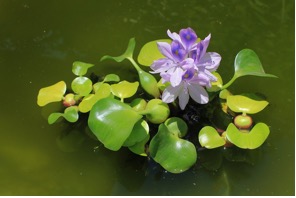
Figure 1. water hyacinth (Euchhorina crassipes). Source: Aquatic Biologist Inc.
Carbon sinks turning into carbon sources
Forests, wetlands, and tundra normally act as carbon sinks, absorbing carbon dioxide from the atmosphere. Climate change increases droughts, fires, and diseases, leading to tree death and releasing stored carbon back into the air. This process further accelerates global warming (NASA, 2023).
What actions can be taken?
To protect species and ecosystems, several actions are necessary:
➔ Reduce CO₂ emissions to meet the Paris Agreement goals.
➔ Protect and restore ecosystems such as forests, wetlands, mangroves, and coral reefs.
➔ Support species adaptation by reducing non-climate stress factors and planning for extreme weather events.
➔ Use conservation tools such as the IUCN Red List and the Integrated Biodiversity Assessment Tool (IBAT) to support informed decision-making (IUCN, 2021).
Student-friendly explainer video (used for concept introduction):
NASA Climate Change Overview (NASA, 2023): https://www.youtube.com/watch?v=G4H1N_yXBiA