1. Explore
| Site: | Bios4You |
| Course: | (12) Understanding Genetic Disorders: From DNA to Disease |
| Book: | 1. Explore |
| Printed by: | Guest user |
| Date: | Tuesday, 25 August 2026, 6:01 AM |
What Are Genetic Disorders?
Genes are like instruction manuals inside every cell of our body. They tell cells how to build proteins — molecules that help us grow, stay healthy, and fight disease (Wallis, 2018). Genes are made of DNA, and their instructions are written in a specific order using four letters: A, T, C, and G.
Sometimes a small change happens in DNA. This change is called a mutation. A mutation can affect how a protein is made or stop the protein from working correctly. When a gene does not function as it should, it can lead to a genetic disorder (National Human Genome Research Institute [NHGRI], 2024).
Mutations can be inherited from one or both parents, or they can happen spontaneously. Some mutations have no effect, but others interfere with normal body processes. In some cases, even a small change in DNA can cause a serious disease, depending on the role of the affected gene (Wallis, 2018).
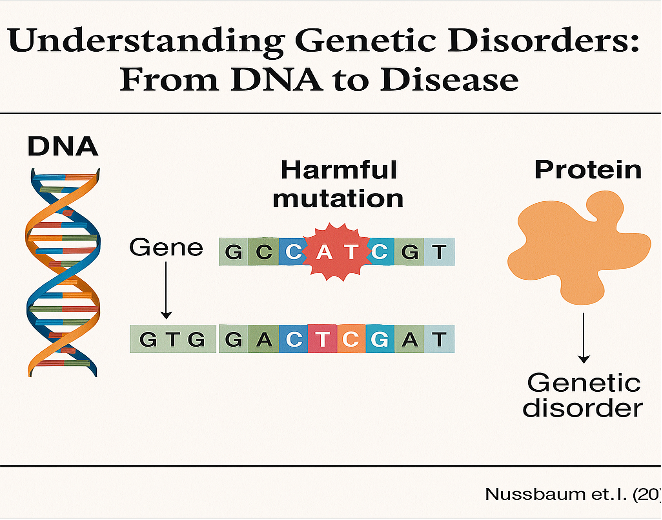
Figure 1. A mutation in DNA can change a protein and lead to disease (generated by AI).
Types of Genetic Disorders
There are three main types of genetic disorders, based on how they develop and are inherited.
Single-Gene Disorders
Single-gene disorders occur when one specific gene is mutated. The mutation may be passed down in families or appear by chance.
Examples include:
- Cystic fibrosis – a disorder that causes thick, sticky mucus in the lungs and digestive system (NHGRI, 2024).
- Sickle cell disease – a condition that changes the shape of red blood cells, making it harder for them to carry oxygen.
These disorders follow clear inheritance patterns, such as dominant or recessive, which makes them easier to trace using family trees (Wallis, 2018).
Chromosome Disorders
Chromosome disorders occur when a whole chromosome is missing, extra, or rearranged. These changes often lead to serious developmental and health problems.
Examples include:
- Down syndrome – caused by having three copies of chromosome 21.
- Turner syndrome – affects females when one of the X chromosomes is missing or altered (NHGRI, 2024).
Such conditions are often identified through prenatal screening or karyotyping, which allows doctors to examine chromosomes.
Complex Disorders
Complex disorders are caused by a combination of genetic and environmental factors, such as lifestyle, diet, stress, or pollution.
Examples include:
- diabetes
- heart disease
- autism
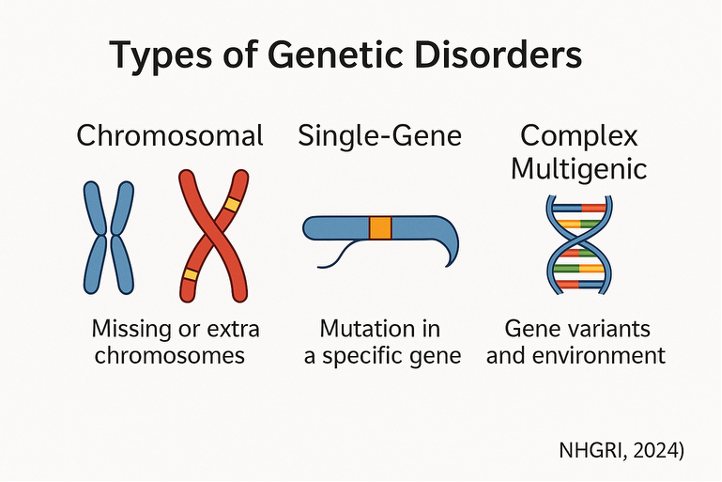
Figure 2. Types of genetic disorders by origin and inheritance (generated by AI).
These disorders do not follow simple inheritance patterns. Scientists study large populations to identify genetic markers that increase the risk of developing these conditions (Wallis, 2018).
Cancer and Genes
Cancer is often linked to mutations in genes that control cell growth and division, although not all cancers are inherited.
There are two important types of genes involved:
- Oncogenes – when activated incorrectly, they cause cells to grow too fast.
- Tumour suppressor genes – normally slow down cell growth; when damaged, they may allow cancer to develop.
Mutations in genes such as BRCA1 and BRCA2 can significantly increase the risk of breast and ovarian cancer. For this reason, genetic testing is often recommended for people with a family history of these cancers (NHGRI, 2024).
Diagnosing Genetic Disorders
Thanks to large research projects like the Human Genome Project, scientists can now analyse a person’s DNA to check for genetic disorders or health risks. This process is known as genetic testing.
Genetic testing is used to:
- diagnose diseases
- identify the cause of symptoms
- guide treatment decisions
- assess family risk (Wallis, 2018)
Modern methods such as whole genome sequencing and exome sequencing allow doctors to examine thousands of genes at the same time. Genetic counselling is also provided to help patients understand test results and make informed decisions.
Before any genetic test is performed, patients must give informed consent, meaning they understand the purpose, risks, and possible outcomes of the test (NHGRI, 2024).
Why This Matters
Understanding genetic disorders helps people make informed decisions about health and medical care. At the same time, it raises important ethical questions.
For example:
- Should employers have access to genetic information?
- Can health insurance companies use genetic data to limit coverage?
These issues are part of bioethics, the study of what is right and wrong in science and medicine (Wallis, 2018). Learning about DNA and disease empowers students to take part in informed discussions about science, technology, and society.
Conclusion
Genetic disorders offer valuable insight into how the human body works and what can happen when genetic instructions are altered. By learning how mutations affect DNA, understanding different types of genetic disorders, and exploring how genetic testing is used in modern medicine, students become better prepared to think critically about biology and personal health.
As genetic technologies continue to advance, ethical decision-making will become increasingly important. Understanding both the scientific and societal impact of genetics helps students navigate life in a modern genomic age.