How Light Affects Biological Systems
| Sito: | Bios4You |
| Corso: | (34) Light and the Brain: Exploring Neurons and Light Sensitivity |
| Libro: | How Light Affects Biological Systems |
| Stampato da: | Utente ospite |
| Data: | martedì, 25 agosto 2026, 06:04 |
How Light Affects Biological Systems
Changes in lighting conditions have broad effects on diverse physiological and behavioral functions, including circadian rhythm, mood, and cognition (LeGates et al., 2014).
The stability of the solar cycle serves as a crucial cue for regulating mammalian behavior, mainly through its significant impact on mood and cognitive function. These influences have been extensively studied in laboratory animals (Bedrosian et al., 2011; LeGates et al., 2012) and humans (Vandewalle et al., 2010).
Disruptions in light exposure, whether due to natural environmental factors or human activities such as crossing time zones and experiencing jet lag, as well as engaging in shift work, have been associated with depressive symptoms and cognitive impairments (Roh et al., 2016).
Circadian Rhythmus
Circadian health is essential for aligning human internal biological clocks with natural light-dark cycles. It is crucial for overall well-being and impacts sleep, mood, and metabolism.
This internal clock is located in a tiny cluster of cells known as the suprachiasmatic nucleus (SCN). The SCN is in a part of your brain called the hypothalamus. Throughout the day, internal clock genes in the SCN send signals to control the activity throughout your body.
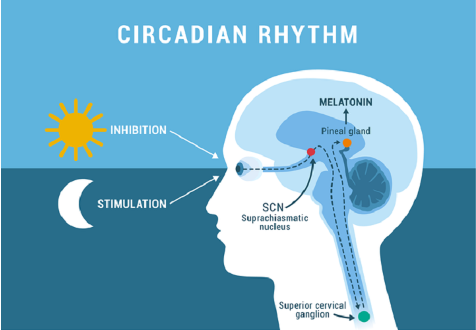
Figure 2. Circadian rhythm, source: https://www.okoa.org/articles/circadian-rhythm-see-what-is-it
Circadian lighting conditions formed by transmitted daylight present opportunities to enhance both energy efficiency and indoor health. These influential factors on circadian daylight can be categorized into four dimensions. These dimensions are: a) variation of the daylight source, which relies on solar and sky conditions; b) optical and morphological properties of the window glazing that effectively alter the transmitted light spectral power distribution and intensity; c) interior space design and surface spectral feature influence the transmitted light distribution within the space; and the last one is d) human factors that affect the amount of exposure to circadian daylight by varying the direction of the human gaze and their corneal height. Engineers and architects can focus on dimensions in the context of these four factors. Window properties and indoor spatial conditions promote a healthy indoor environment influenced by circadian light, as dimensions of daylight source and Human factors are unpredictable and uncontrollable (Ardabili et al., 2025).
The Pupil Reflex: How do our eyes respond to light?
Our pupil’s ability to change size is an essential physiological response that adjusts the amount of light hitting the retina to optimize vision and protect the retina. Pupils constrict in response to brightness, whereas they dilate in response to dark conditions (known as the pupillary light response or reflex). In contrast, these responses are related; they are considered to be driven by different neural pathways (Mathôt, 2018).
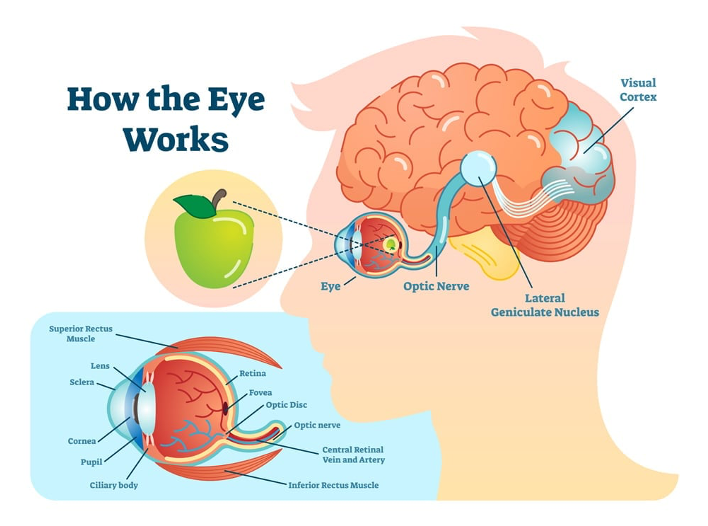
Figure 3. The Eye and the Brain, source: VectorMine/Shutterstock
Human perception and behavior
Correlated color temperature (CCT) and thermal sensation are essential factors influencing indoor environments and significantly affecting occupant comfort, stress, and task performance. Effects of lighting on task performance, stress, and thermal sensation in the working environment (Erkan et al., 2025). Correlated Color Temperature (CCT) describes the appearance of light from a source in terms of its color tone. It is commonly categorized by warmth or coolness: lower CCT values correspond to warmer, yellowish light, while higher values indicate more extraordinary, bluish light (Liu et al., 2022).
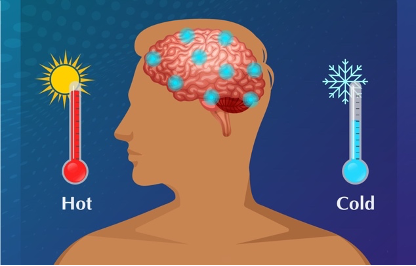
Figure 4. Brain and thermal sensation, source: https://www.waseda.jp/top/en/news/83173
Individuals’ subjective perception of the thermal environment is critical in determining occupant comfort and is closely linked to work performance in indoor settings (Soto et al., 2022). Considering individuals’ thermal sensation preferences is vital for promoting comfort and productivity, particularly in work environments. Research has shown that when people adapt to their thermal conditions, they experience greater comfort, higher job satisfaction, and improved cognitive performance (Yeganeh et al., 2018).
Stress is the body's response to uncertainty or specific demands. It typically unfolds in alarm reaction, resistance, and exhaustion. These stages reflect the body’s physiological efforts to cope with stress and are marked by the release of cortisol, increased heart rate, and adrenaline secretion. If the stressor remains unresolved, the body may enter the final exhaustion stage (Seley,1956).
In workplace settings, stress refers to the physiological and psychological reactions individuals experience when they perceive demands or pressures that exceed their ability to cope (Awada et al., 2023). This stress can manifest in various physical symptoms, including elevated heart rate, high blood pressure, muscle tension, irritability, difficulty concentrating, and reduced cognitive performance (Askaripoor et al., 2018). High-stress levels in the workplace can significantly impact job satisfaction, productivity, and performance. Excessive stress may also result in adverse outcomes such as decreased motivation, impaired decision-making, lower creativity, and increased absenteeism (Altindag, 2020).
Electroencephalogram (EEG) and Heart Rate Variability (HRV) are frequently used to assess stress (Di az et al., 2019). EEG measures electrical brain activity, offering insights into stress-related cognitive and emotional processes (Choi et al., 2015). HRV, on the other hand, tracks the time intervals between heartbeats, indicating how the autonomic nervous system regulates stress (Kaklauskas et al., 2011). By utilizing EEG and HRV as objective indicators, researchers in neuro-architecture aim to better understand the physiological responses to varying lighting and thermal conditions in indoor environments (Li et al., 2023).