
Biological materials for the human body
Nature provides an extensive range of materials with diverse functions, offering a valuable source of inspiration for material scientists and engineers. Biological materials make up the structural foundation of all living organisms, enabling cells to function, eyes to process light, plants to stand upright, and animals to move efficiently. These natural materials have inspired humans in the development of synthetic alternatives that improve everyday functionality and technological advancements.
From architecture to aerospace engineering, bio-inspired structures have revolutionized design processes. Examples include lightweight yet strong honeycomb patterns, self-repairing materials, and biodegradable composites (Kemp, 2004; Nachtigall, 1998; Jeronimidis & Atkins, 1995). Despite being composed of a limited set of organic components, natural materials exhibit remarkable properties such as flexibility, durability, and adaptability.
In contrast, human-engineered materials historically relied on a broader spectrum of chemical elements, leading to the development of alloys, polymers, and composites. However, most industrial materials require high-temperature processing, a limitation not present in biological materials. Instead, nature efficiently constructs complex materialsunder ambient conditions through hierarchical structuring and genetic programming (Lakes, 1993; Tirrell, 1994; Currey, 2005).
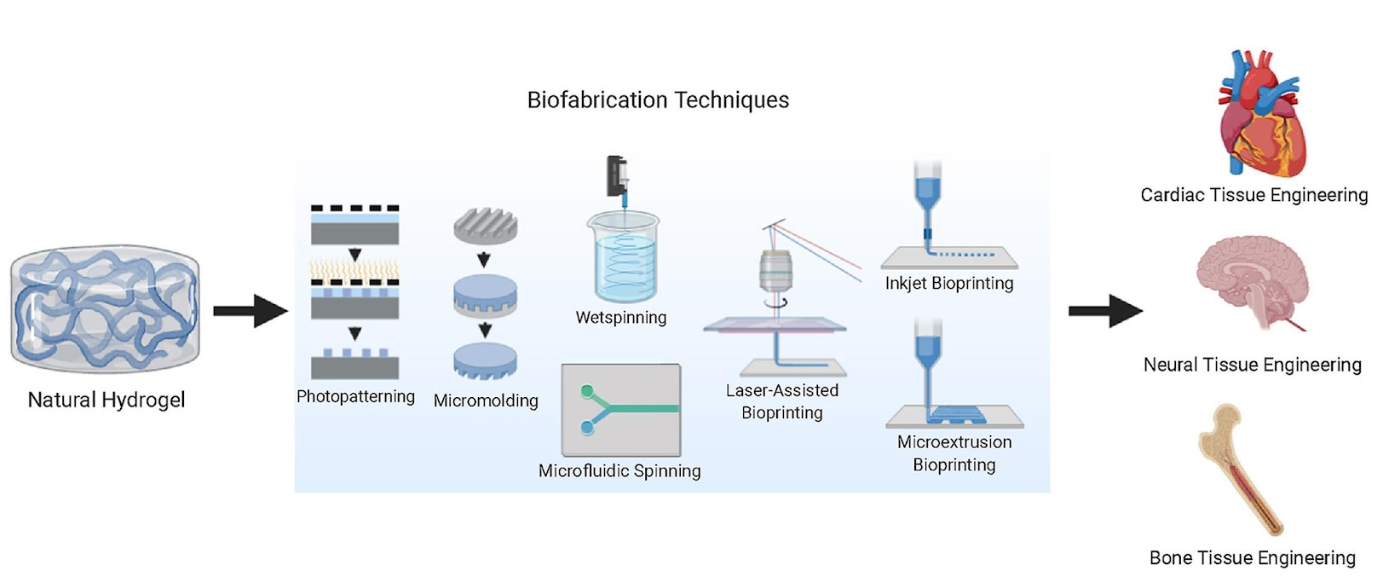
Figure 2: Biofabrication techniques, source: Elkhoury.K &all, 2021