
Climate Change Effects
- Προβολή
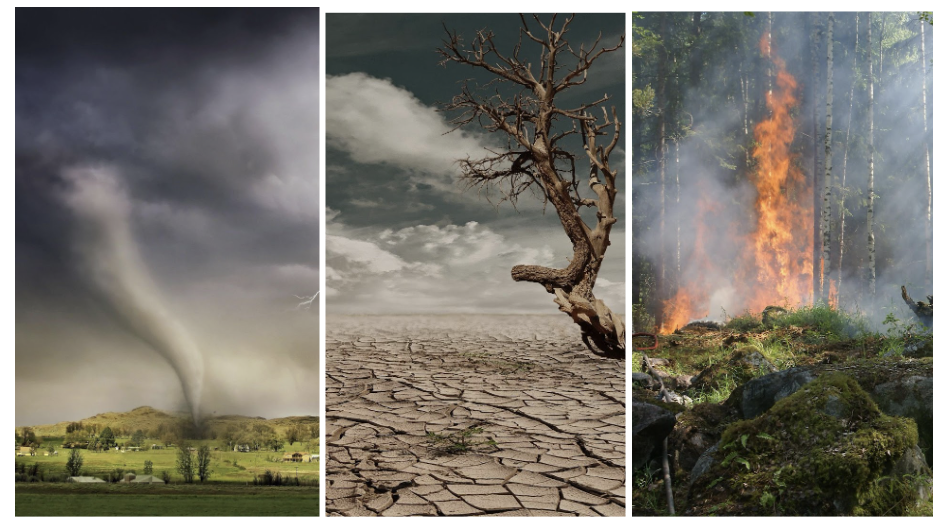
Figure 5 - More frequent wildfires, longer drought periods in some areas, and an increase in the number, severity, and intensity of tropical storms are all possible future impacts of global climate change.
The environment has already been affected by global climate change. Glaciers have shrunk, ice on rivers and lakes has broken up earlier, plant and animal ranges have changed, and trees have begun to bloom earlier.
Sea ice loss accelerated sea level rise, and longer, more severe heat waves are all effects that scientists expected will arise as a result of global climate change in the past.
Scientists are confident that global temperatures will continue to increase for decades to come, owing in large part to greenhouse gas emissions caused by human activities. Over 1,300 scientists from the United States and other nations make up the Intergovernmental Panel on Climate Change (IPCC), which predicts a temperature increase of 2.5 to 10 degrees Fahrenheit over the next century.
The extent of climate change impacts on individual regions will vary over time and with the ability of various cultural and environmental systems to alleviate or adapt to change, according to the IPCC.
Increases in global mean temperature of less than 1.8 to 5.4 degrees Fahrenheit (1 to 3 degrees Celsius) above 1990 levels, according to the IPCC, would have useful effects in some areas and detrimental effects in others. As world temperatures rise, net annual expenses will rise as well.
Future Consequences
According to the Third and Fourth National Climate Assessment Reports, some of the long-term implications of global climate change in the United States include:
- Change Will Persist Throughout This Century and Into the Next
- Temperatures are expected to continue to rise
- The Frost-Free Season (the Growing Season) will be longer
- Precipitation Patterns Have Changed
- Droughts and heat waves are becoming more common
- Hurricanes will become more powerful and severe
- By 2100, the sea level would have risen 1-8 feet (30-240 cm)
- The Arctic is likely to become ice-free in the near future

Figure 6 - A polluted globe