1. Explore
The first step in our journey is to understand the basics.
Students are introduced to the concept that most cells in the body are specialised: skin cells protect, muscle cells contract, and nerve cells transmit signals. Stem cells, on the other hand, are initially generalists. They are like blank building blocks that can reproduce or transform into specialised cells when needed.
There are three main types of stem cells. Embryonic stem cells are pluripotent, meaning they can become any type of cell in the human body. Adult stem cells, such as those found in bone marrow, are more limited but still essential for replacing and repairing damaged tissue. Then there are induced pluripotent stem cells (iPSCs), a revolutionary discovery by Shinya Yamanaka and Kazutoshi Takahashi in 2006, in which normal adult cells are “reprogrammed” to act like embryonic cells (Takahashi & Yamanaka, 2006).
Students also explore how these cells are already being used in medicine. Bone marrow transplants save patients with blood cancers such as leukaemia. Corneal stem cells are restoring sight in people with damaged eyes (NIH, 2022). And researchers at the Mayo Clinic are studying how stem cells might repair damaged heart tissue (Mayo Clinic, 2023).
At this stage, students gain the essential knowledge: stem cells are nature's repair system, and humanity is beginning to learn how to use them.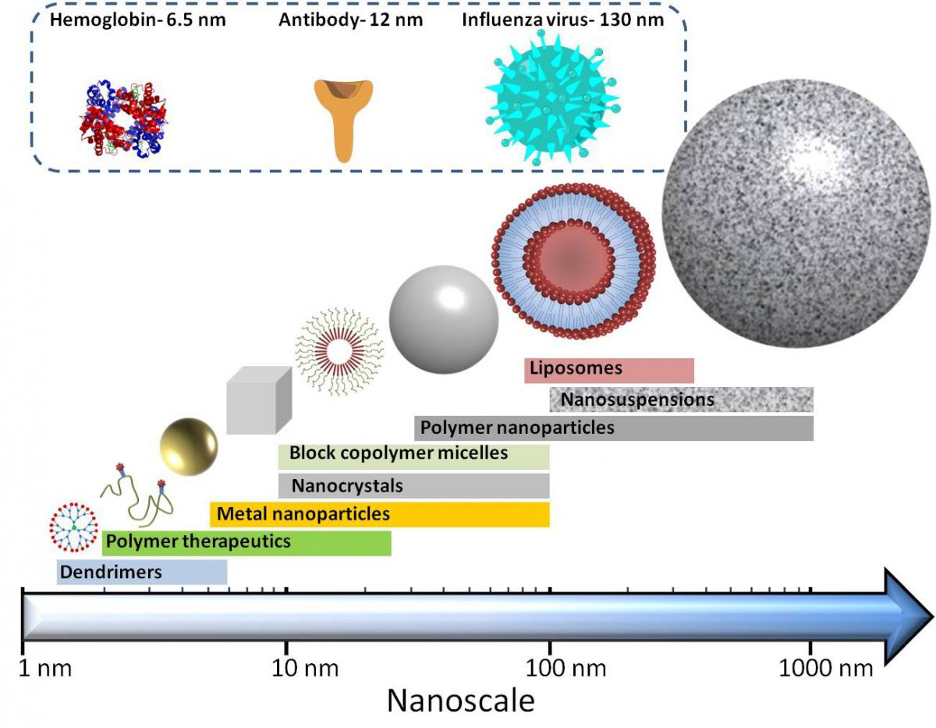
Figure 1 - Source: British Society for Nanomedicine