
Pollution Problems
Types of Environmental Pollution
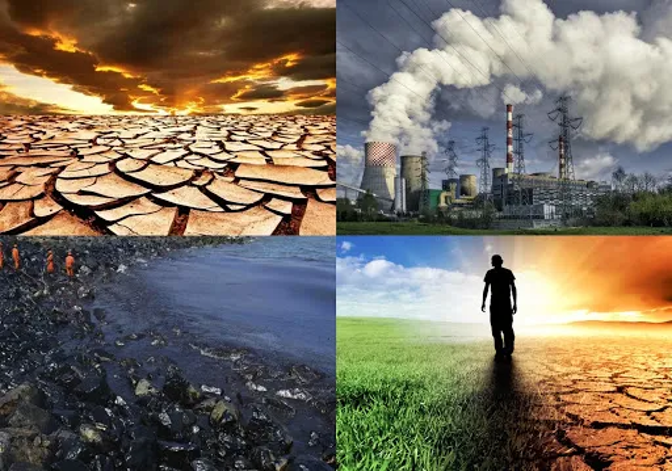
Fig 1.Environmental pollution, source: https://gosharpener.com/blogs/710991/Environmental-Pollution?lang=de_de
Air Pollution
Air pollution refers to the presence of harmful substances in the Earth's atmosphere, including gases, particulates, and biological molecules that can endanger human health and the environment. Common pollutants such as carbon monoxide, nitrogen oxides, sulfur dioxide, ozone, and particulate matter often originate from fossil fuel combustion in transportation, industry, and power generation. The consequences range from respiratory illnesses and cardiovascular problems to environmental degradation like acid rain and global warming.
Air pollution refers to the presence of harmful substances in the Earth's atmosphere, including gases, particulates, and biological molecules that can endanger human health and the environment. Common pollutants such as carbon monoxide, nitrogen oxides, sulfur dioxide, ozone, and particulate matter often originate from fossil fuel combustion in transportation, industry, and power generation. The consequences range from respiratory illnesses and cardiovascular problems to environmental degradation like acid rain and global warming.
Water Pollution
Water pollution is the contamination of water bodies including rivers, lakes, oceans, and groundwater, making them unsafe for human use and harmful to aquatic life. It is typically caused by the discharge of pollutants such as industrial waste, sewage, pesticides, plastics, and heavy metals into water sources. This pollution leads to a range of issues including waterborne diseases, ecosystem destruction, and the reduction of potable water availability.
Water pollution is the contamination of water bodies including rivers, lakes, oceans, and groundwater, making them unsafe for human use and harmful to aquatic life. It is typically caused by the discharge of pollutants such as industrial waste, sewage, pesticides, plastics, and heavy metals into water sources. This pollution leads to a range of issues including waterborne diseases, ecosystem destruction, and the reduction of potable water availability.
Soil Pollution
Soil pollution involves the degradation of land quality through the presence of toxic chemicals, heavy metals, and waste materials that disrupt soil health and productivity. Sources include industrial activities, agricultural chemicals, improper waste disposal, and mining operations. Contaminated soil can affect food safety, plant growth, and groundwater quality, while also posing direct risks to human and animal health.
Soil pollution involves the degradation of land quality through the presence of toxic chemicals, heavy metals, and waste materials that disrupt soil health and productivity. Sources include industrial activities, agricultural chemicals, improper waste disposal, and mining operations. Contaminated soil can affect food safety, plant growth, and groundwater quality, while also posing direct risks to human and animal health.
Noise Pollution
Noise pollution is the excessive or disturbing level of noise in the environment that interferes with normal activities and well-being. It originates mainly from traffic, construction, industrial processes, and urban development. Chronic exposure to high noise levels is associated with a range of health issues, including hearing loss, sleep disturbances, increased stress levels, and impaired cognitive performance, especially in children.
Noise pollution is the excessive or disturbing level of noise in the environment that interferes with normal activities and well-being. It originates mainly from traffic, construction, industrial processes, and urban development. Chronic exposure to high noise levels is associated with a range of health issues, including hearing loss, sleep disturbances, increased stress levels, and impaired cognitive performance, especially in children.
Light Pollution
Light pollution refers to the excessive or misdirected artificial light that brightens the night sky and disrupts natural darkness. It arises primarily from street lighting, advertising signs, buildings, and public spaces in urban areas. Light pollution not only obscures the visibility of stars but also disturbs wildlife behavior and human circadian rhythms, leading to ecological imbalance and sleep-related health problems.
Light pollution refers to the excessive or misdirected artificial light that brightens the night sky and disrupts natural darkness. It arises primarily from street lighting, advertising signs, buildings, and public spaces in urban areas. Light pollution not only obscures the visibility of stars but also disturbs wildlife behavior and human circadian rhythms, leading to ecological imbalance and sleep-related health problems.
Thermal Pollution
Thermal pollution occurs when industries discharge heated water or air into natural environments, especially aquatic systems, altering the temperature balance. Power plants, manufacturing units, and refineries are typical contributors. The elevated temperatures reduce oxygen levels in water, harm sensitive aquatic organisms, and can lead to biodiversity loss and algal blooms, disrupting aquatic ecosystems.
Thermal pollution occurs when industries discharge heated water or air into natural environments, especially aquatic systems, altering the temperature balance. Power plants, manufacturing units, and refineries are typical contributors. The elevated temperatures reduce oxygen levels in water, harm sensitive aquatic organisms, and can lead to biodiversity loss and algal blooms, disrupting aquatic ecosystems.
Radioactive Pollution
Radioactive pollution is the contamination of the environment by radioactive substances, either through accidental releases, improper waste disposal, or natural events. Common sources include nuclear power plants, medical and research facilities, and past nuclear weapons testing. This type of pollution poses long-term risks to human health and ecosystems, with effects including cancer, genetic mutations, and persistent environmental contamination.
Radioactive pollution is the contamination of the environment by radioactive substances, either through accidental releases, improper waste disposal, or natural events. Common sources include nuclear power plants, medical and research facilities, and past nuclear weapons testing. This type of pollution poses long-term risks to human health and ecosystems, with effects including cancer, genetic mutations, and persistent environmental contamination.