
Introduction to Bioremediation
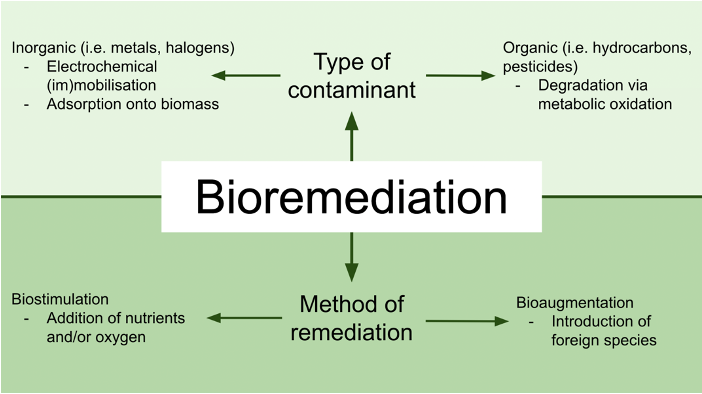
Fig 2. Bioremediation, source: https://tinyurl.com/pbdykp7a
Bioremediation is a sustainable and biologically driven approach that uses living microorganisms, primarily bacteria, fungi, algae, and archaea, to degrade, detoxify, or transform environmental pollutants into less harmful forms. While traditionally associated with soil pollution, bioremediation has proven effective across a broad spectrum of environmental contexts, including contaminated water, polluted air, and even radioactive waste sites. In water systems, for instance, oil-degrading bacteria and nutrient-consuming algae are employed to clean up petroleum spills and eutrophic lakes. In air purification, biofilters utilize microbial biofilms to capture and biodegrade volatile organic compounds (VOCs) and sulfurous gases from industrial exhausts. Moreover, radioactive bioremediation is an emerging frontier, with extremophilic microbes like Geobacter and Deinococcus radiodurans being studied for their ability to immobilize or transform radioactive elements. The increasing application of microbial consortia and genetically engineered strains has further expanded the potential of bioremediation for complex and recalcitrant pollutants. According to Singh and Strong (2022), the integration of omics technologies and bioinformatics tools has significantly enhanced the specificity, speed, and scalability of microbial interventions in environmental cleanup. As global challenges of pollution intensify, bioremediation offers a low-cost, low-energy, and ecologically restorative alternative to conventional chemical and mechanical remediation methods.