
Dual Systems of Light Detection: Photoreceptors and Neural Pathways
In animals, including humans, photoreceptors (light-sensing cells) called rods and cones are located in the retina, a tissue layer at the back of the eye that responds to light. The rods and cones analyze visual signals transmitted via electrical signals to the brain, which interprets what is “seen.” Another type of photoreceptors in the retina, called intrinsically photosensitive retinal ganglion cells (ipRGCs), use long protrusions (axons) that form the optic nerve to convey visual signals from rods and cones. The ipRGCs also perform other functions, such as setting the body’s light-driven circadian rhythms and distinguishing contrast and color. It has been known that photoreceptors in animals detect light by using a signaling pathway named for the cell’s origin (https://www.hopkinsmedicine.org/news/newsroom/news-releases/2024/01/retinal-photoreceptors-use-dual-pathways-to-tell-brain-ive-seen-the-light).
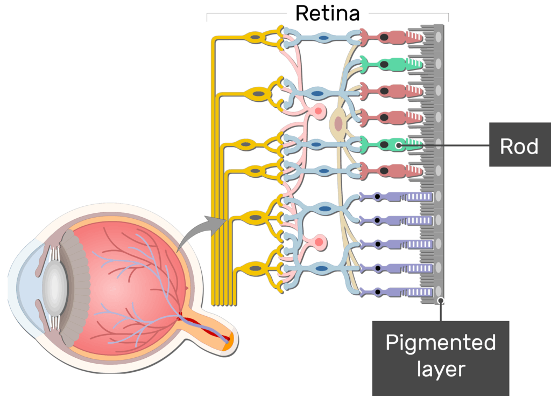
Figure 1. https://www.getbodysmart.com/sensory-system/retina/
People spend a significant portion of their lives indoors, estimated at around 80% to 90% (Thach et al., 2020). As such, the impact of indoor environments on occupant comfort has become a central focus in research and practice (Lamb et al., 2016). In recent years, growing attention has been given to the crucial role of thermal and lighting conditions in shaping office environments (Konstantzos et al., 2020). These environmental factors have been shown to strongly influence employees’ stress levels and task performance, ultimately affecting overall individual and team satisfaction (Witterseh et al., 2004). Among these, correlated color temperature (CCT) and thermal sensation are critical, as they directly impact comfort, stress, and performance in indoor spaces.