EEG activity
Electroencephalography (EEG) measures the brain’s electrical activity by detecting signals from electrodes placed on the scalp (Teplan, 2002). Depending on the EEG device, various electrode placement systems are used. Raw EEG data are typically collected and then processed to extract specific frequency bands relevant to stress detection, mainly the alpha and theta waves.
Processing EEG data involves several steps. First, the continuous EEG signal is divided into shorter segments, or epochs, usually lasting a few seconds each, to simplify analysis. These epochs are then subjected to spectral analysis, which calculates the power spectral density and enables the extraction of features in the frequency domain (Yang et al., 2018). The focus is primarily on the alpha (8–13 Hz) and theta (4–7 Hz) frequency bands, which are known to reflect stress-related brain activity.
Alpha waves are typically associated with states of relaxation and are commonly observed during restful or passive conditions (Prent & Smit, 2020). In contrast, theta waves are linked to cognitive load, attention, and emotional arousal, making them particularly relevant for assessing stress (Abdalhadi et al., 2024). Therefore, the power within these bands is computed and analyzed to determine stress levels during experimental sessions.
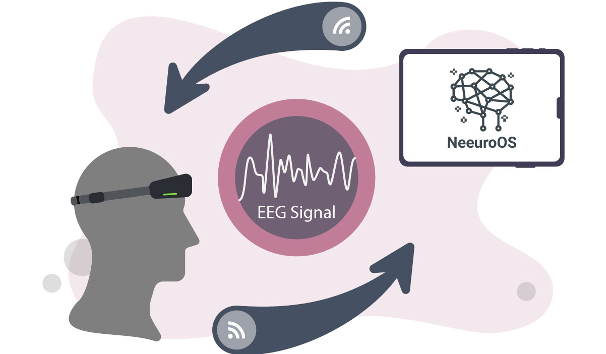
Figure 5. Electroencephalogram (EEG), source: https://www.neeuro.com/blog/understanding-electroencephalogram-eeg-for-better-brain-health
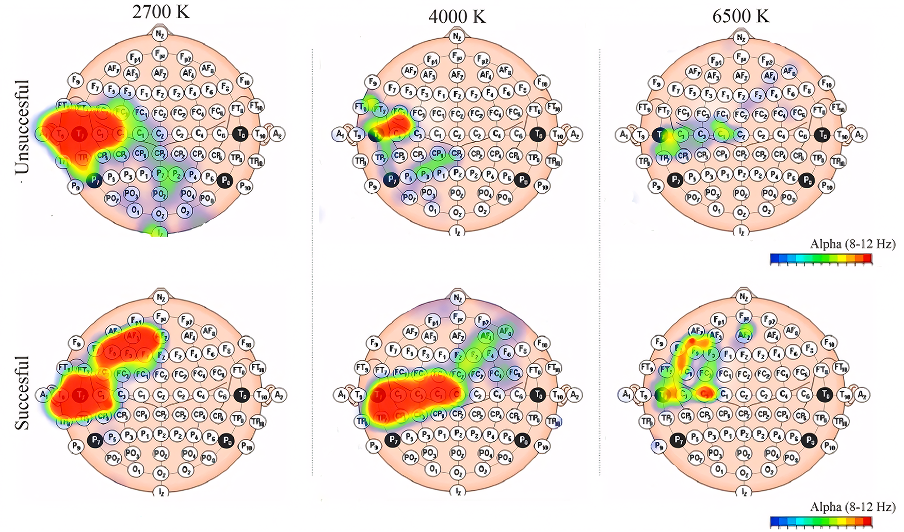
Figure 6. Brain maps change depending on the alpha power value of successful/unsuccessful participants at different CCT Levels, source: Erkan et al., 2025.
The brain’s stress-related EEG signatures, such as reduced alpha power and elevated theta activity, are direct markers of how perception, emotion, and cognition are influenced by environmental conditions, remarkably light (Yang et al., 2018; Abdalhadi et al., 2024).
Light therapy is a targeted intervention that uses high-intensity, broad-spectrum artificial light to simulate natural daylight and reset the body’s internal clock. Typically administered through a 10,000-lux light box, it is especially effective in the morning to realign circadian rhythms and improve neural regulation of stress and mood.
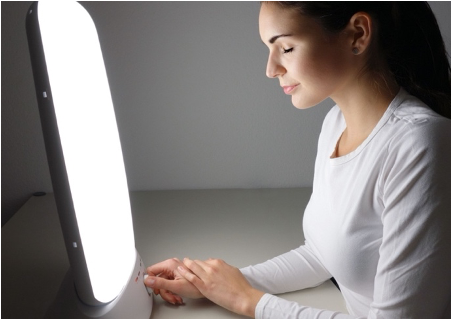
Figure 7. Light therapy, source: https://www.universiteitleiden.nl/en/research/research-projects/social-and-behavioural-sciences/psychology/bioclock-light-therapy-for-depression