
Augmented Reality and Cognitive Response
Physiological responses are affected by Indoor environment quality:
On average, people spend about 90 % of their time in buildings and consume an immense amount of energy to maintain a comfortable indoor environment.
Most of the energy consumed in buildings is spent maintaining indoor environmental quality (IEQ), and excessive reduction of energy consumption may degrade IEQ for a comfortable life (De Rosa et al., 2014). Therefore, in modern society, minimizing the energy consumption in buildings while maintaining satisfactory IEQ is no longer an option but an essential (ˇSujanov´a et al., 2019).
Meanwhile, technologies and methods for energy consumption monitoring continue to develop. Energy management systems help increase energy efficiency, and more efficient processes and innovative technologies are expected to emerge in the future (Aliero et al., 2022). Past research suggests that energy consumption can be reduced by visualizing energy consumption using augmented reality (AR) technology (Bekaro et al., 2018).
Augmented Reality (AR) is rapidly becoming a transformative tool in science education, especially for making complex biological systems like the brain more accessible to high school learners. A particularly compelling application is the use of AR to simulate cognitive and neurological responses to light, such as pupil dilation, reaction time, and simulated neural activity. These are key indicators of how the brain processes environmental light stimuli and adapts its behavior accordingly.
Light exposure triggers various physiological and neurological responses in the brain. For example, light entering the eye activates retinal photoreceptors, setting off a cascade that reaches brain regions responsible for alertness and circadian regulation. One well-documented response is the change in pupil size, which reflects both luminance and cognitive effort. As Mathôt (2018) explains, pupillometry, measuring pupil diameter, offers a window into cognitive load and sensory processing, making it a valuable tool for studying brain function under changing light conditions.
Although AR platforms cannot directly record brain activity, they can be programmed to simulate neurological outcomes based on established scientific data. Research by Chang et al. (2012) demonstrated that even brief exposures to bright light can significantly enhance cognitive alertness and alter subjective sleepiness, findings that can be embedded into interactive AR environments to model realistic cognitive effects. 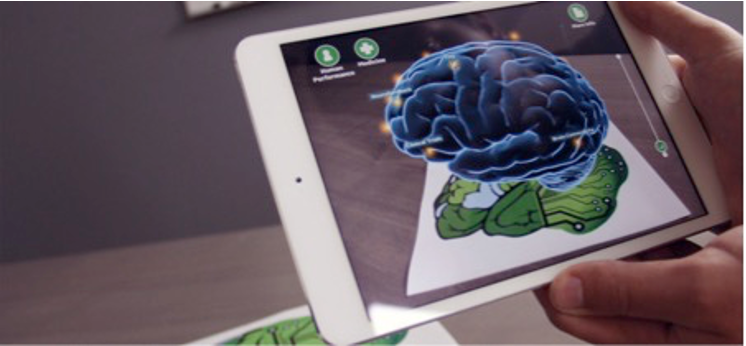
Figure 9. AR tools, Source: https://delta2020.com/blog/142-how-augmented-and-virtual-reality-could-help-bring-the-classroom-to-life
In human-centered design, it is crucial to consider how the indoor environment affects both physiological and cognitive responses. Elements such as lighting, thermal comfort, air quality, and acoustics have significantly impacted occupants’ comfort, productivity, and well-being (Al Horr et al., 2016; Frontczak & Wargocki, 2011). These environmental factors shape how individuals feel physically and influence cognitive function, attention, and emotional states. For instance, Mendell and Heath (2005) found that the quality of indoor environments in schools directly affects student performance and health, underscoring the need to prioritize user experience in building design.
Recent findings demonstrated that visualizing energy consumption through AR does not significantly affect subjective Indoor Environmental Quality (IEQ) satisfaction while reducing indoor energy consumption. An AR system monitors occupant reactions and behaviors to change energy consumption. Still, it is also essential to investigate the effects of these measures on occupant satisfaction because IEQ significantly impacts occupant satisfaction, health, and productivity (Mirzaei et al., 2020). These physiological responses include heart rate variability (HRV), electroencephalogram (EEG), electrodermal activity (EDA), and skin temperature (SKT), which are used in many studies related to IEQ to evaluate occupant subjective satisfaction quantitatively (Sun et al., 2020).