Introduction
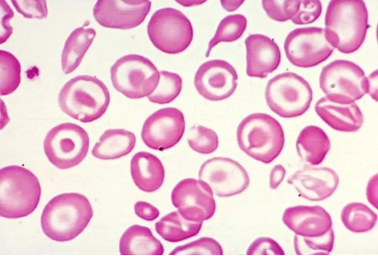
Thalassaemia is a disease that prevents the blood from carrying enough oxygen. In fact, people affected by it feel constantly tired, have pale skin and have to go to hospital every month for a blood transfusion just to survive.
This is the reality for many people with thalassaemia, a genetic blood disorder that affects haemoglobin, the protein in red blood cells that carries oxygen throughout the body (Thalassaemia International Federation, 2021).
For decades, treatment has involved regular transfusions and, sometimes, bone marrow transplants (Weatherall & Clegg, 2001). These approaches help, but they do not cure the disease and carry risks. Today, however, science is opening a new door: gene therapy. Instead of treating the symptoms, gene therapy offers the possibility of correcting the defective gene itself. For thalassaemia, this means repairing the instructions for producing haemoglobin so that the body can finally produce healthy red blood cells (Cavazza et al., 2016; NIH, 2022).
This unit invites students to embark on a journey into this medical revolution. Step by step, we will explore what thalassaemia is, carry out interactive experiments through augmented reality (AR) that show how gene therapy works, and finally, we will enhance our understanding by imagining the possibilities, challenges, and ethical issues of genetic medicine.