Introduction
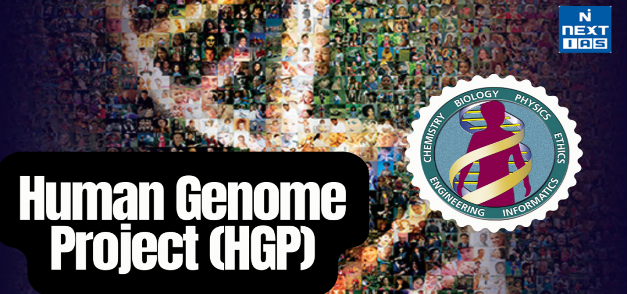
The Human Genome Project (HGP) was one of the most important scientific projects of the 20th century. It was carried out between 1990 and 2003 and aimed to map and sequence the entire human genome — all the DNA that contains information about how the human body is built and functions. Scientists from many countries, including the United States, the United Kingdom, France, Germany, Japan, and China, worked together on this large international project. Their cooperation laid the foundation for modern genomics and changed how scientists study human biology (National Human Genome Research Institute [NHGRI], 2024).
The Human Genome Project significantly improved scientific understanding of heredity, genetic diseases, and human variation. It also transformed the way scientific research is conducted by promoting open data sharing and collaboration between different scientific disciplines (Collins, Morgan, & Patrinos, 2003). These principles remain essential in modern genomic research and biomedical innovation.
In this learning unit, students explore what the Human Genome Project was, why it was important, and how scientists successfully decoded human DNA. They also examine ethical challenges related to genome research, such as genetic privacy and responsible use of genetic data (Green & Guyer, 2015). By using augmented reality (AR) tools, students interact with DNA models and sequencing processes, which helps them better understand the scientific methods and discoveries that emerged from the Human Genome Project.