
1. Explore
Deletion Mutations
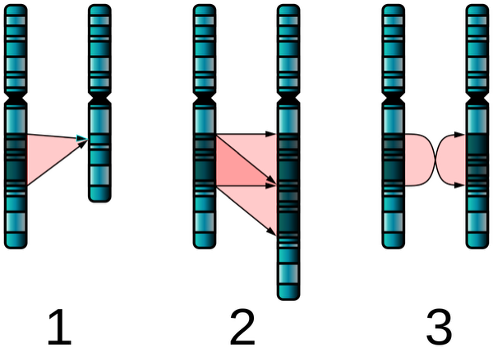
Figure 4: Chromosomal Deletion, Duplication, and Inversion
A deletion mutation happens when one or more nucleotides are removed from the DNA sequence. Unlike insertions, deletions are usually irreversible, because the lost DNA cannot be restored once it is removed (Alberts et al., 2015). Although some transposable elements can move out of the genome, deleted DNA sequences are permanently lost.
Deletions can have serious effects, especially when a large section of a chromosome is removed. This can lead to loss of heterozygosity, meaning that only one copy (allele) of a gene remains. If the remaining allele is faulty and the deleted allele was healthy, the organism may experience severe biological consequences (Griffiths et al., 2019).
Small deletions inside protein-coding genes can also cause frameshift mutations, which change the reading frame of the gene and usually result in a non-functional protein.