
How Light Affects Biological Systems
How Light Affects Biological Systems
Human perception and behavior
Correlated color temperature (CCT) and thermal sensation are essential factors influencing indoor environments and significantly affecting occupant comfort, stress, and task performance. Effects of lighting on task performance, stress, and thermal sensation in the working environment (Erkan et al., 2025). Correlated Color Temperature (CCT) describes the appearance of light from a source in terms of its color tone. It is commonly categorized by warmth or coolness: lower CCT values correspond to warmer, yellowish light, while higher values indicate more extraordinary, bluish light (Liu et al., 2022).
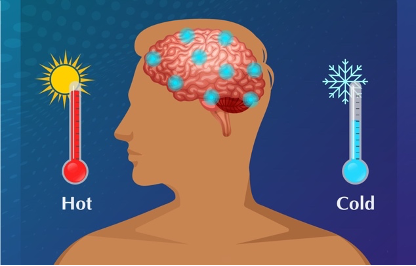
Figure 4. Brain and thermal sensation, source: https://www.waseda.jp/top/en/news/83173
Individuals’ subjective perception of the thermal environment is critical in determining occupant comfort and is closely linked to work performance in indoor settings (Soto et al., 2022). Considering individuals’ thermal sensation preferences is vital for promoting comfort and productivity, particularly in work environments. Research has shown that when people adapt to their thermal conditions, they experience greater comfort, higher job satisfaction, and improved cognitive performance (Yeganeh et al., 2018).
Stress is the body's response to uncertainty or specific demands. It typically unfolds in alarm reaction, resistance, and exhaustion. These stages reflect the body’s physiological efforts to cope with stress and are marked by the release of cortisol, increased heart rate, and adrenaline secretion. If the stressor remains unresolved, the body may enter the final exhaustion stage (Seley,1956).
In workplace settings, stress refers to the physiological and psychological reactions individuals experience when they perceive demands or pressures that exceed their ability to cope (Awada et al., 2023). This stress can manifest in various physical symptoms, including elevated heart rate, high blood pressure, muscle tension, irritability, difficulty concentrating, and reduced cognitive performance (Askaripoor et al., 2018). High-stress levels in the workplace can significantly impact job satisfaction, productivity, and performance. Excessive stress may also result in adverse outcomes such as decreased motivation, impaired decision-making, lower creativity, and increased absenteeism (Altindag, 2020).
Electroencephalogram (EEG) and Heart Rate Variability (HRV) are frequently used to assess stress (Di az et al., 2019). EEG measures electrical brain activity, offering insights into stress-related cognitive and emotional processes (Choi et al., 2015). HRV, on the other hand, tracks the time intervals between heartbeats, indicating how the autonomic nervous system regulates stress (Kaklauskas et al., 2011). By utilizing EEG and HRV as objective indicators, researchers in neuro-architecture aim to better understand the physiological responses to varying lighting and thermal conditions in indoor environments (Li et al., 2023).