
1: Explore
Climate change trajectories and tipping points
Climate change affects ecosystems by altering key physical and biological processes that regulate energy flow, carbon cycling, and species interactions. Scientific evidence shows that rising global temperatures and increasing concentrations of atmospheric carbon dioxide influence both terrestrial and marine ecosystems, often reducing their stability and resilience (Hoegh-Guldberg et al., 2018; National Academy of Sciences, 2019).
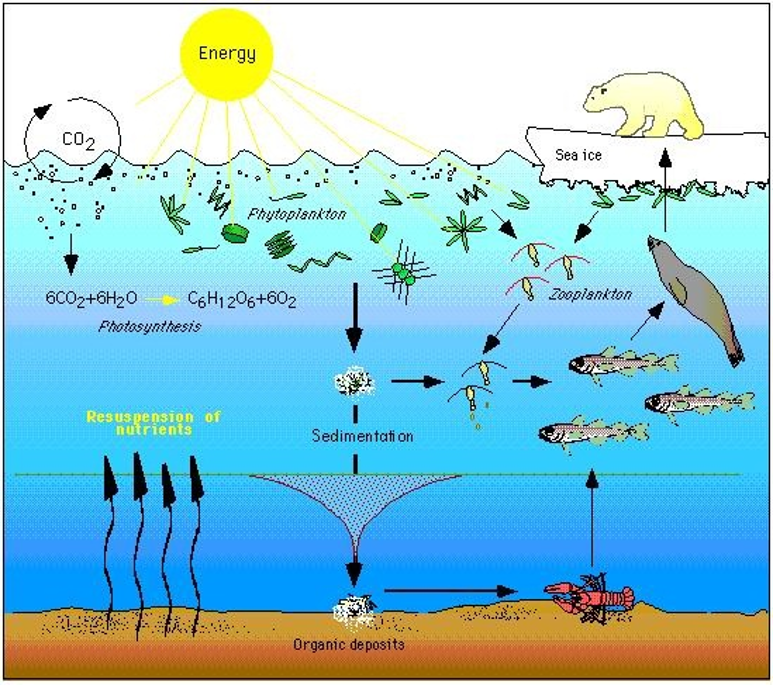
Figure 1. Energy flow and carbon cycling in a marine ecosystem.
As illustrated in Figure 1, solar energy drives photosynthesis in phytoplankton, which form the foundation of marine food webs. Through photosynthesis, phytoplankton absorb carbon dioxide from the atmosphere and convert it into organic matter, supporting higher trophic levels and contributing to climate regulation. Carbon and nutrients move through the ecosystem via trophic interactions, sedimentation, and nutrient recycling. Climate change can disrupt these processes by increasing water temperatures, altering ocean circulation, and reducing nutrient availability (Bardgett & Caruso, 2020).
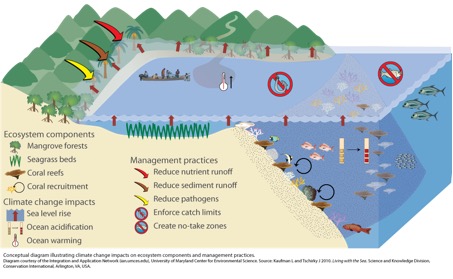
Figure 2: Ecosystem tipping points and abrupt change.
Figure 2 highlights trophic interactions within ecosystems and illustrates how climate-related stressors increase ecosystem vulnerability. Rising temperatures, ocean acidification, and habitat changes affect primary producers first, but the impacts spread through food webs via cascading effects. When phytoplankton productivity declines, zooplankton, fish, and top predators may also decline. These interconnected responses demonstrate that ecosystems do not respond to climate change in isolation, but as complex systems with strong internal dependencies (Bennett et al., 2016).
The broader consequences of these changes are illustrated in Figure 3, which presents a climate cascade in catchment systems. This figure shows how climate drivers such as temperature increase and altered precipitation affect multiple ecosystem components simultaneously. Changes in rainfall and temperature influence soil moisture, water flow, salinity, vegetation, and species movement across terrestrial, freshwater, and coastal ecosystems. These linked processes can lead to unexpected outcomes, such as increased flooding, habitat loss, and reduced water quality (Turner et al., 2020).
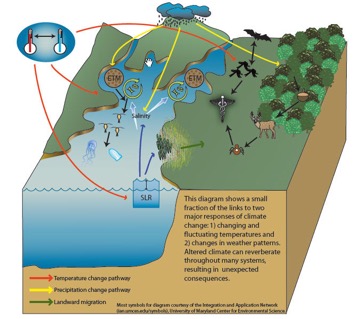
Figure 3. Climate cascade in catchment systems.
Together, Figures 1–3 demonstrate how climate change impacts move from physical drivers (temperature and precipitation) to biological responses (changes in productivity, species interactions, and migration). These cascading effects increase the risk of ecosystem tipping points, where gradual environmental change leads to rapid and potentially irreversible ecosystem shifts (Lenton et al., 2019).
In addition to climate change, ecosystems are affected by other human pressures, including pollution, land-use change, and overexploitation of natural resources. The interaction of these stressors further reduces ecosystem resilience and makes recovery more difficult (Harrison, 2020).
Understanding these interconnected processes is essential for developing effective mitigation and adaptation strategies. Scientific research highlights the importance of nature-based solutions, ecosystem restoration, and adaptive management to strengthen resilience and reduce climate-related risks across ecosystems (Nicholls et al., 2018; Molotoks et al., 2020).
Questions
- How does climate change affect energy flow and carbon cycling in ecosystems, according to the text?
- Why do cascading effects increase the risk of ecosystem tipping points?