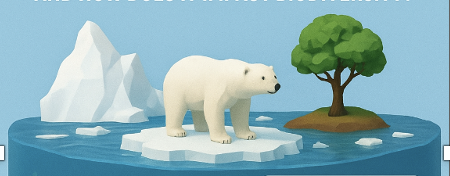
This interdisciplinary unit uses Augmented Reality (AR) technology to explore the effects of climate change on biodiversity over time, promoting critical thinking and awareness of sustainability aligned with the UN 2030 Agenda. Students engage with immersive scenarios from the medieval era to future ecosystems through interactive quizzes and gamified choices.
Created by UNIPA Partners
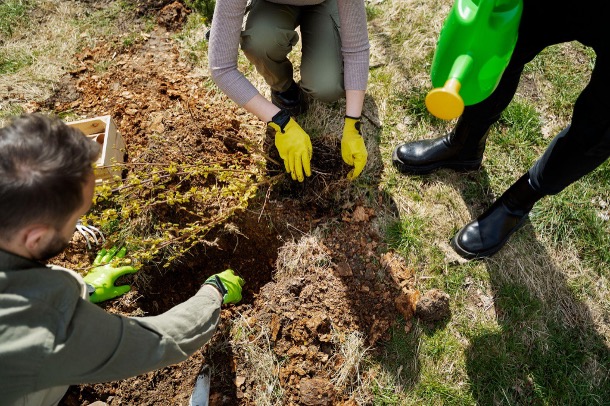
This learning unit provides a comprehensive introduction to climate change and the critical role of ecosystem restoration as a nature-based solution. It is divided into three sections: "Explore" introduces foundational concepts of climate change, ecosystems, and restoration. "Execute" delves into bio-inspiration, showcasing how natural processes inspire solutions and how Augmented Reality (AR) can visualize these processes and impacts, supported by real-world examples and practical activities. "Enhance" justifies the pedagogical benefits of AR, offering examples of useful AR applications and practical integration strategies. The unit culminates in a hands-on exercise where students use a gamified AR experience in Delightex to strengthen their understanding and engagement with the topic.
Created by EDUACT Partners

This learning unit helps students understand how climate change affects different ecosystems: terrestrial, freshwater, and marine. Students explore real examples of climate impacts such as rising temperatures, biodiversity loss, extreme weather events, and ecosystem tipping points.
The unit combines reading, discussion, short videos, quizzes, and interactive digital activities. A key element of the unit is an Augmented Reality (AR) quiz planned to be created in Delightex. Although the AR activity will be developed later, the unit already prepares students for it through clear explanations, interactive tasks, and reflection activities.
Students learn about nature-based solutions and discuss how ecosystems can become more resilient. The unit encourages critical thinking, teamwork, and connections between global climate issues and local environments.
Created by TKVG Partners
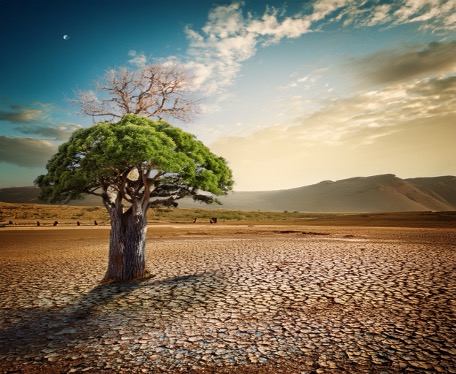
This learning unit explores how human-induced climate change affects species survival and ecosystem health. Students learn how rising temperatures, changing habitats, and extreme weather events increase the risk of species extinction and disrupt natural systems. Through real examples of endangered species and ecosystems, learners understand how climate change creates feedback loops that make environmental problems worse. The unit also introduces conservation strategies and climate adaptation methods that help protect biodiversity. Augmented Reality (AR) is used to make these processes more visible and engaging. By exploring AR models, interactive scenes, and digital environments, students can better understand complex ecological relationships. The unit encourages awareness, critical thinking, and responsible attitudes toward environmental protection.
Created by TKVG Partners
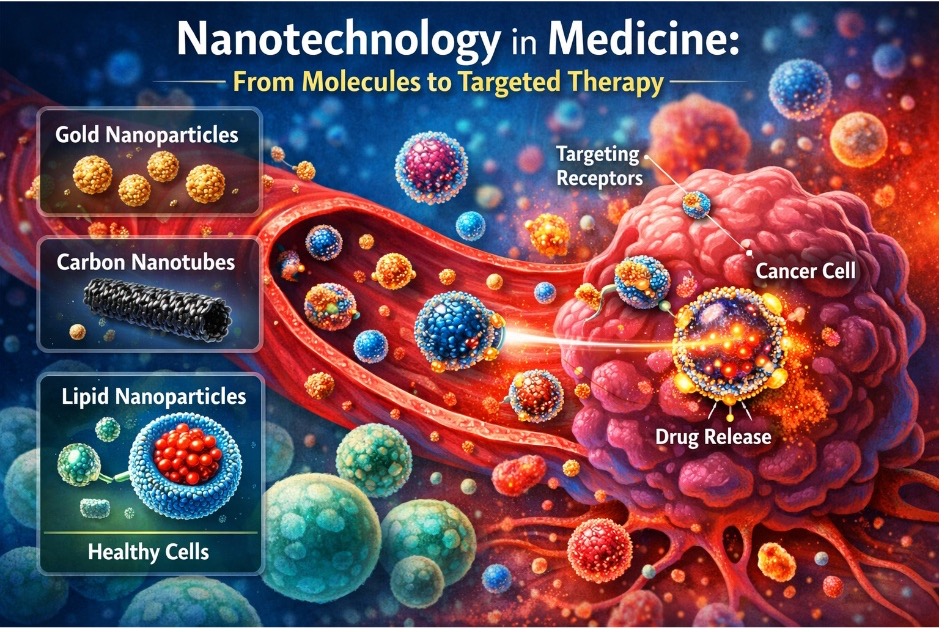
In this learning unit, students will explore the fundamental principles of nanotechnology in medicine through a multidisciplinary approach that integrates physics, chemistry, biology, and medical science.
Students will first investigate the nanoscale world and the properties of nanoparticles. They will then analyze how nanoparticles can function as drug carriers and how they interact with biological systems. Finally, they will explore an Augmented Reality simulation that illustrates nanoscale processes involved in drug delivery and targeted cancer therapy.
Through this learning experience, students will gain a deeper understanding of how modern science translates nanoscale engineering into real medical applications.
Created by UNIPA Partners
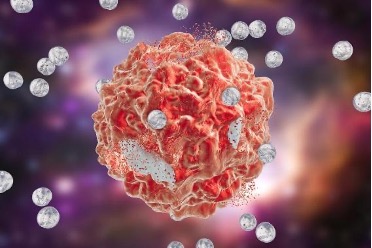
This unit introduces students to the field of nanomedicine, focusing on how nanoparticles transport drugs through the human body. Learners will first explore what nanoparticles are, how they behave at the nanoscale, and why transporting them safely and precisely is one of the greatest challenges in modern medicine. They will then execute interactive activities in an AR laboratory, simulating the journey of nanoparticles through the bloodstream to deliver drugs to targeted cells. Finally, they will enhance their understanding by reflecting on real-world applications, ethical questions, and future challenges of nanomedicine.
The goal is to make an abstract and complex field accessible and engaging, showing how science at the smallest scale can solve some of the biggest challenges in healthcare.
Created by CEIPES Partners
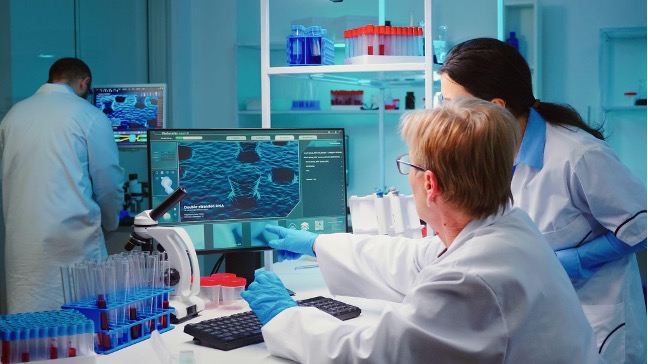
This learning unit provides a comprehensive introduction to artificial Intelligence in biotechnology and more specifically to new possibilities in drug discovery. It is divided into three sections: "Explore" introduces foundational concepts of climate change, ecosystems, and restoration. "Execute" delves into bio-inspiration, showcasing how natural processes inspire solutions and how Augmented Reality (AR) can visualize these processes and impacts, supported by real-world examples and practical activities. "Enhance" justifies the pedagogical benefits of AR, offering examples of useful AR applications and practical integration strategies. The unit culminates in a hands-on exercise where students use a gamified AR experience in Delightex to strengthen their understanding and engagement with the topic.
Created by EDUACT Partners
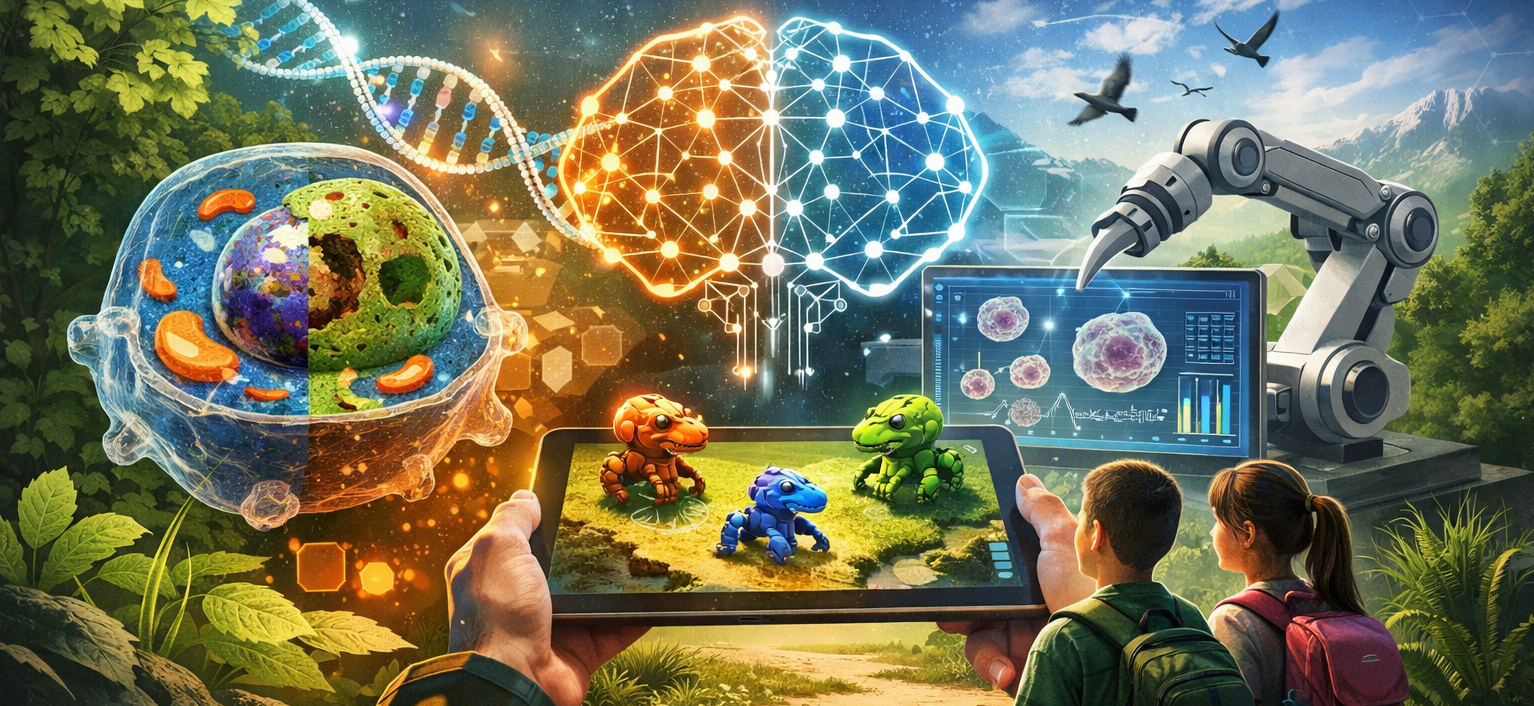
This interdisciplinary learning unit introduces students to how Artificial Intelligence interprets biological systems by learning from nature. Using a bio-inspired STEM approach and Augmented Reality tools, students explore how biological structures and processes can be transformed into data, patterns, and models that AI systems analyze. The unit combines theoretical exploration with interactive AR-based activities developed in Delightex Edu to support understanding, engagement, and practical application.
Created by KTU Partners
- Dėstytojas: Rasa Senvaitytė Urbonienė