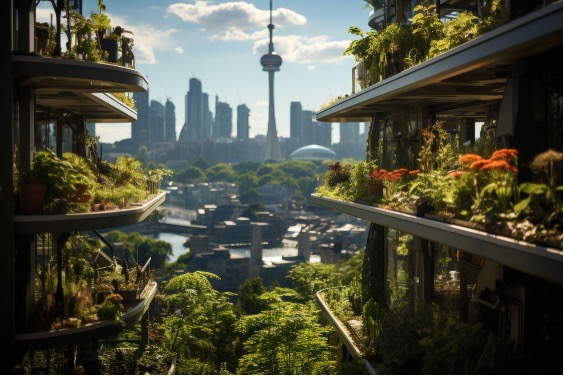
Questa unità esplora gli ecosistemi urbani, la bio-ispirazione per il design sostenibile e l'integrazione della realtà aumentata per visualizzare e creare spazi urbani che supportino il benessere sia umano che della fauna selvatica. È suddivisa in tre sezioni: "Esplora" introduce i concetti fondamentali di cambiamento climatico, ecosistemi e restauro. "Esegui" approfondisce la bio-ispirazione, mostrando come i processi naturali ispirino soluzioni e come la Realtà Aumentata (AR) possa visualizzare questi processi e i relativi impatti, supportata da esempi reali e attività pratiche. "Migliora" giustifica i benefici pedagogici della AR, offrendo esempi di applicazioni AR utili e strategie pratiche di integrazione. L'unità culmina in un esercizio pratico in cui gli studenti utilizzano un'esperienza AR gamificata in Delightex per rafforzare la loro comprensione e il coinvolgimento con l'argomento.
Creato da EDUACT Partners
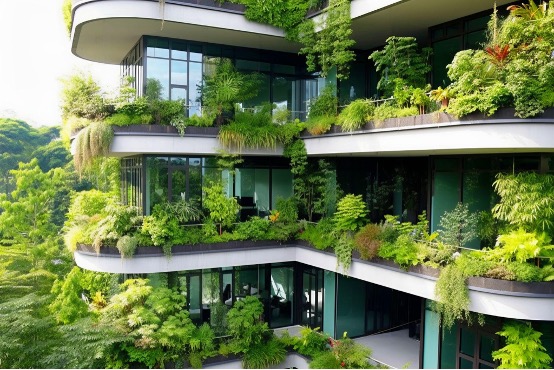
Questa unità esplora come i tetti verdi e i giardini verticali contribuiscano alla biodiversità urbana e alla sostenibilità. Gli studenti apprenderanno i principi di progettazione, i benefici ambientali e gli impatti socio-economici. È suddivisa in tre sezioni: "Esplora" introduce i concetti fondamentali di cambiamento climatico, ecosistemi e restauro. "Esegui" approfondisce la bio-ispirazione, mostrando come i processi naturali ispirino soluzioni e come la Realtà Aumentata (AR) possa visualizzare questi processi e i loro impatti, supportata da esempi reali e attività pratiche. "Migliora" giustifica i benefici pedagogici della AR, offrendo esempi di applicazioni AR utili e strategie pratiche di integrazione. L’unità culmina con un esercizio pratico in cui gli studenti utilizzano un’esperienza AR gamificata in Delightex per rafforzare la comprensione e il coinvolgimento con l’argomento.
Creato da EDUACT Partners

Questa unità invita gli studenti a esplorare come la natura possa ispirare ambienti urbani più sostenibili e salutari. Utilizzando strumenti di realtà aumentata, gli studenti visualizzeranno e interagiranno con elementi biofilici come tetti verdi, sistemi di illuminazione naturale e ventilazione ispirata agli ecosistemi. L’attività incoraggia il pensiero sistemico, la creatività e la risoluzione dei problemi attraverso un apprendimento immersivo basato sulle STEM.
Creato da KIT Partners
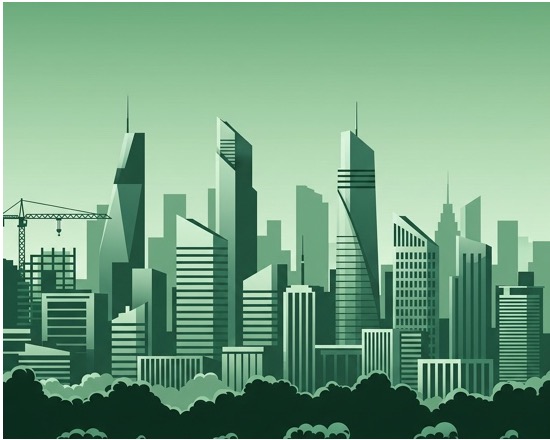
Questa unità di apprendimento guida studenti e insegnanti nell’esplorazione di come le strategie naturali di piante e animali possano ispirare soluzioni sostenibili nell’architettura e nella pianificazione urbana. Attraverso un approccio multidisciplinare e l’uso di strumenti di Realtà Aumentata (AR), gli studenti scopriranno come i sistemi biologici possano portare a progetti innovativi di edifici e città che rispondono al clima, alla funzione e al benessere.
Creato da KIT Partners
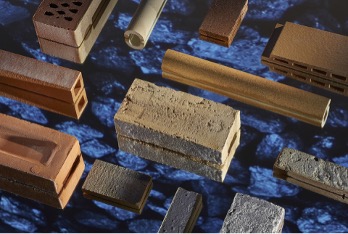
Questa unità introduce gli studenti al concetto di materiali eco-compatibili nell’edilizia, concentrandosi sulle innovazioni all’avanguardia che stanno trasformando l’architettura sostenibile. È suddivisa in tre sezioni: "Esplora" introduce i concetti fondamentali dei materiali ecologici e della costruzione sostenibile. "Esegui" approfondisce la bio-ispirazione, mostrando come i processi naturali ispirino soluzioni e come la Realtà Aumentata (AR) possa visualizzare questi processi e i loro impatti, supportata da esempi reali e attività pratiche. "Migliora" giustifica i benefici pedagogici della AR, offrendo esempi di applicazioni AR utili e strategie pratiche di integrazione. L’unità culmina in un esercizio pratico in cui gli studenti utilizzano un’esperienza AR gamificata in Delightex per rafforzare la loro comprensione e il coinvolgimento con l’argomento.
Creato da EDUACT Partners
(23) Eco-Materiali di Nuova Generazione: Innovazioni che Stanno Plasmando l’Architettura Sostenibile
Questa unità introduce gli studenti al concetto di materiali eco-compatibili nell’edilizia, concentrandosi sulle innovazioni all’avanguardia che stanno trasformando l’architettura sostenibile. È suddivisa in tre sezioni: "Esplora" introduce i concetti fondamentali dei materiali ecologici e della costruzione sostenibile. "Esegui" approfondisce la bio-ispirazione, mostrando come i processi naturali ispirino soluzioni e come la Realtà Aumentata (AR) possa visualizzare questi processi e i loro impatti, supportata da esempi reali e attività pratiche. "Migliora" giustifica i benefici pedagogici della AR, offrendo esempi di applicazioni AR utili e strategie pratiche di integrazione. L’unità culmina in un esercizio pratico in cui gli studenti utilizzano un’esperienza AR gamificata su Delightex per rafforzare la loro comprensione e il coinvolgimento con l’argomento.
Creato da EDUACT Partners
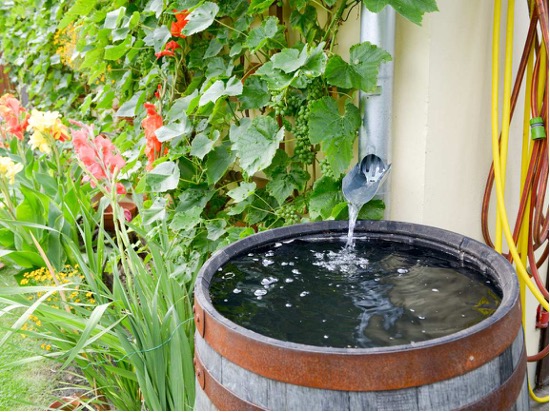
Questa unità di apprendimento offre un'introduzione completa alle tecniche innovative di riciclo e conservazione dell'acqua nella pianificazione urbana. È suddivisa in tre sezioni: "Esplora" introduce i concetti fondamentali di cambiamento climatico, ecosistemi e restauro. "Esegui" approfondisce la bio-ispirazione, mostrando come i processi naturali ispirino soluzioni e come la Realtà Aumentata (AR) possa visualizzare questi processi e i loro impatti, supportata da esempi reali e attività pratiche. "Migliora" giustifica i benefici pedagogici della AR, offrendo esempi di applicazioni AR utili e strategie pratiche di integrazione. L'unità si conclude con un esercizio pratico in cui gli studenti utilizzano un'esperienza AR gamificata in Delightex per rafforzare la loro comprensione e il coinvolgimento con l'argomento.
Creato dai partner EDUACT
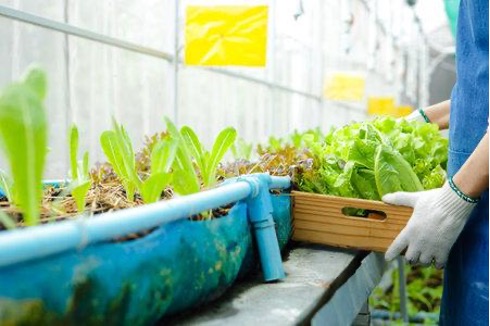
Questa unità introduce gli studenti ai principi scientifici, tecnici ed ecologici alla base dell’acquaponica, un sistema integrato che combina l’acquacoltura (allevamento di pesci) e l’idroponica (coltivazione di piante senza suolo). Gli studenti esplorano la fragilità dell’equilibrio degli ecosistemi, sperimentano costruendo un mini sistema di acquaponica e utilizzano la Realtà Aumentata (AR) per visualizzare i cicli dei nutrienti e progettare eco-edifici sostenibili. La metodologia segue il modello Esplora – Esegui – Migliora, guidando gli studenti dalla ricerca e scoperta, attraverso la creazione pratica, fino alla riflessione e alle applicazioni innovative.
Creato dai partner di CEIPES
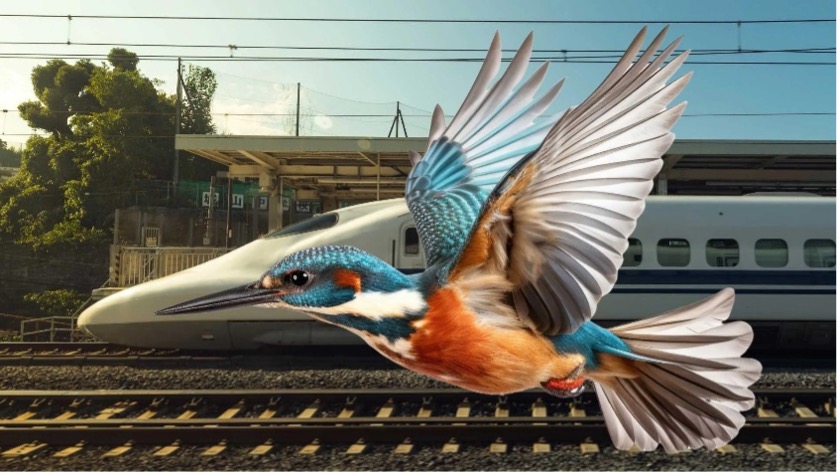
Questa unità di apprendimento introduce gli studenti alla biomimesi, la pratica di studiare strutture, processi e sistemi naturali per ispirare l’innovazione umana. Attraverso casi di studio come la foglia di loto (superfici autopulenti), la pelle di squalo (trame antibatteriche) e i termitai (architettura sostenibile), gli studenti scoprono come l’evoluzione abbia già risolto molti problemi di progettazione.
Creato dai partner CEIPES