Bölüm anahatları

    • Introduction

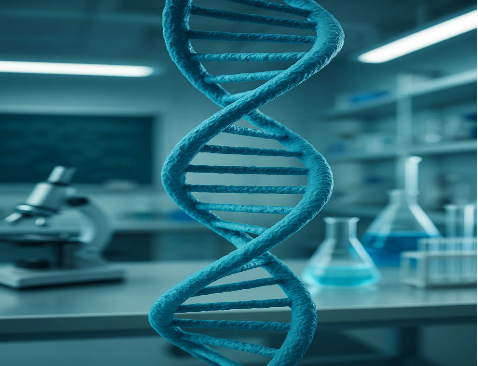
      Genes are biological instructions that control how our bodies grow, develop, and function. They influence everything from eye colour to how our immune system fights illness. Genes are made of DNA, and each gene carries specific information needed to produce proteins that keep the body working properly (Wallis, 2018).
      Sometimes these genetic instructions change. These changes are called mutations. While some mutations have no effect, others can disrupt how a protein works or stop it from working completely. When this happens, it can lead to a genetic disorder—a health condition caused by changes in DNA (National Human Genome Research Institute [NHGRI], 2024).

      In this learning unit, students explore how genetic disorders develop and why they occur. They learn about different types of genetic disorders, including single-gene disorders, chromosomal disorders, and complex conditions influenced by both genes and the environment. The unit also explains how genetic disorders are inherited and how modern medicine uses genetic testing to diagnose diseases and assess health risks (Wallis, 2018).

      In addition, students examine important ethical questions connected to genetic science. As genetic technologies become more powerful and accessible, society must consider issues such as genetic privacy, informed consent, and responsible use of genetic information. These questions are especially important in an era of personalised medicine, where treatments can be tailored to a person’s genetic profile (NHGRI, 2024).

      By the end of this unit, students gain a clearer understanding of how genes affect health and disease. This knowledge provides a strong foundation for further studies in biology, healthcare, and biotechnology, and helps students become informed citizens who can thoughtfully engage with scientific and ethical discussions in modern society.

    • In this section, students move from theory to active learning. They apply what they have learned about DNA, mutations, and genetic disorders through hands-on activities, Augmented Reality (AR) exploration, and collaborative tasks inside Delightex.

      The main goal of this phase is to help students understand how genetic changes affect the human body by seeing and exploring these processes in a visual and interactive way (Wallis, 2018).

    • In this phase, learning is deepened through Delightex as the main interactive environment. All activities take place inside a Delightex scene, where Augmented Reality (AR) elements, information panels, and reflection tasks are combined into one coherent learning experience.

      For students aged 14–18, topics such as DNA mutations, inheritance patterns, and gene–protein interactions can be difficult to understand through text alone. Delightex helps bridge this gap by integrating 3D AR models, guided tasks, and reflection prompts into a single immersive space, allowing students to actively explore complex genetic concepts (Wallis, 2018).